Street Crane Welcomes Suhan Shetty as Head of Strategic Partnerships
January 29, 2026
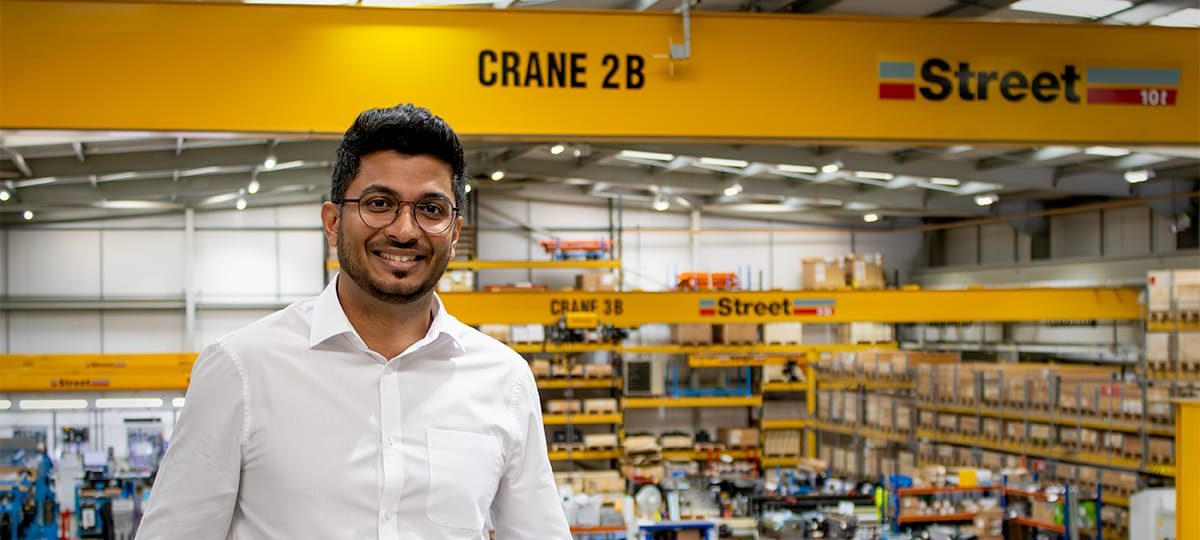

We’re delighted to welcome Suhan Shetty back to Street Crane as our new Head of Strategic Partnerships, strengthening our leadership team as we continue to grow our global presence.
With a background in mechanical engineering and project management, Suhan brings 14 years of international experience across the manufacturing and engineering sectors. Many within the business and our wider partner network will remember Suhan from his earlier time with Street Crane, having originally joined the company in 2015 as a Project Engineer.
During his initial tenure, Suhan quickly progressed into the role of Regional Account Manager, where he was responsible for developing and managing key relationships across the Middle East, North Africa (MENA) and India regions. In this role, he worked closely with customers and partners to deliver complex lifting solutions while supporting Street Crane’s international growth strategy.
After leaving Street Crane in 2022, Suhan joined EY, where he worked on inward investment projects for the UK Government. He later became part of the Office for Investment, building strategic relationships across the advanced manufacturing and defence sectors. This experience further strengthened his commercial, strategic and stakeholder engagement skills, providing valuable insight into international investment and partnership development.
Suhan’s return reflects his strong connection to Street Crane’s culture, people and long-standing commitment to quality engineering. In his new role, he will focus on developing and strengthening strategic partnerships worldwide, with an initial priority on building new relationships in the United States to support Street Crane’s growth strategy in this key market.
We’re excited to welcome Suhan back to the business and look forward to the impact he will make as we continue to expand our global partnerships and support customers across international markets.
Please join us in welcoming Suhan back to Street Crane.
Street Crane Celebrates 50 Years of Leadership and Innovation with Chairman Martin Street
December 11, 2025


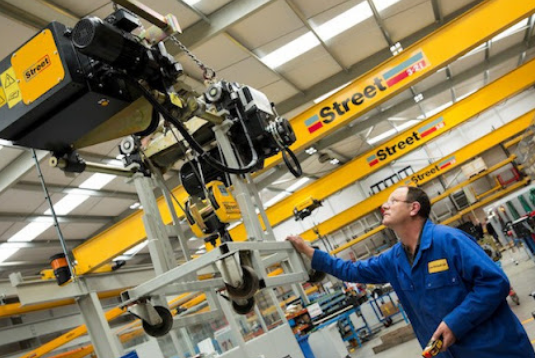
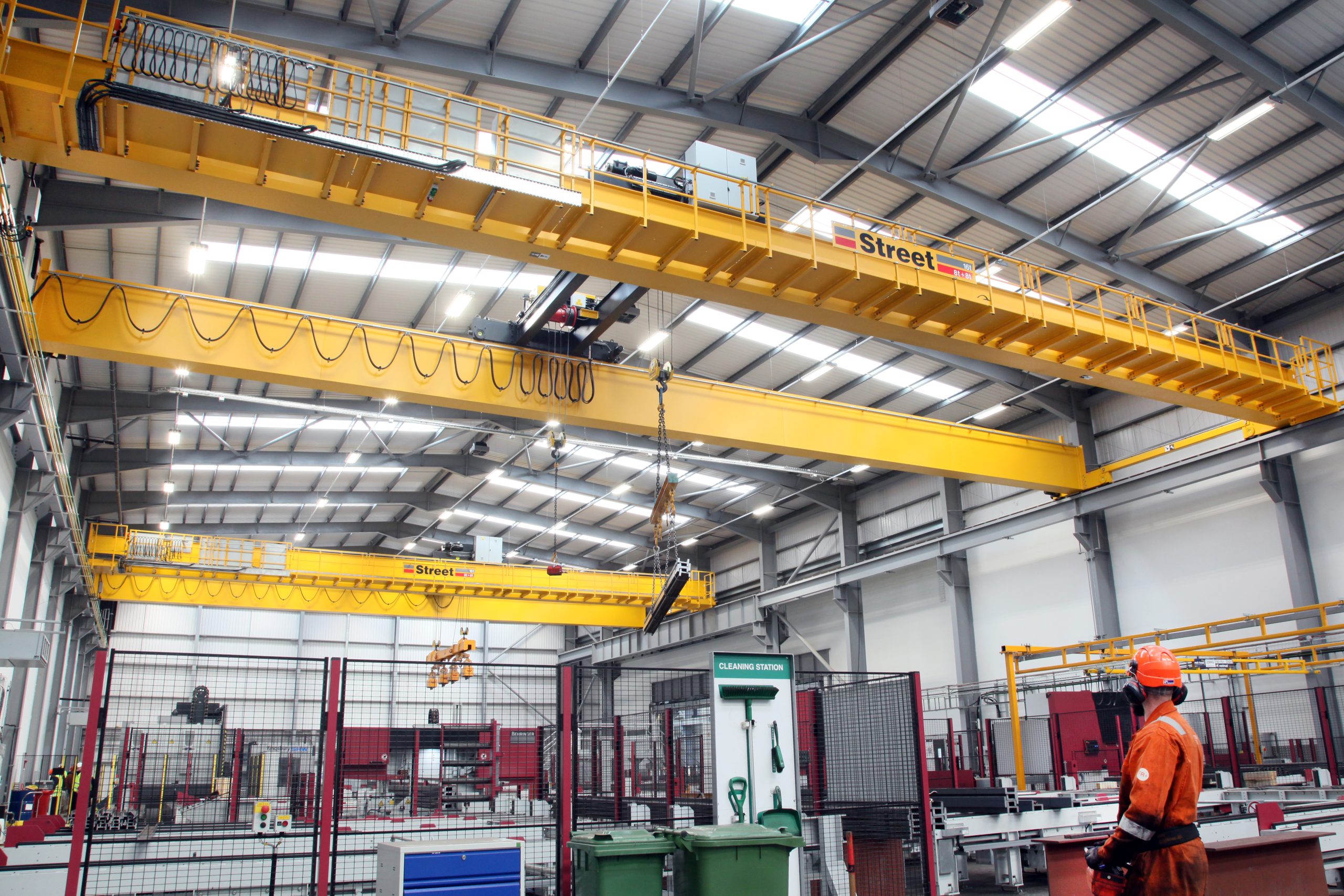
Street Crane, the UK’s leading manufacturer of overhead cranes and hoists, proudly celebrates a remarkable milestone: Chairman Martin Street marks 50 years of dedicated service to the company.
Martin began his career in 1975 after two years of training as an accountant, realising his true passion lay in manufacturing. Joining the family business was a natural step. Starting as a sales estimator at Crane & Hoist in Sheffield, earning £10 a week, Martin worked in a Victorian factory office alongside a team of just 25 people before moving to Street Crane operated separately in Chapel-en-le-Frith.
Reflecting on his journey, Martin cites his proudest achievement as the decision to design and manufacture Street Crane’s own range of hoist units and crane components—a move that transformed the company’s future. “When I started, there were more than 20 crane manufacturers of similar size in the UK. Today, Street Crane stands as the only one still producing its own range of products,” Martin said.
Under his leadership, Street Crane launched its third series of hoist products—the ZX6, ZX8 and ZX10—competing successfully with global giants on cost and performance. Another pivotal decision was to distribute crane components worldwide through a network of trusted partners, enabling Street Crane to become a global player.
Martin attributes the company’s success to innovation and adaptability: “We studied what leading manufacturers were doing and developed our own cost-effective solutions. Change was never easy, but it allowed us to grow and remain competitive.”
Above all, Martin emphasises that none of this would have been possible without the people behind the business: “It’s been a team effort all the way. From past to present, every achievement belongs to the incredible team at Street Crane. I am deeply grateful to everyone who has contributed to our success.”
It has always been important to Martin that provides good local jobs and careers but Street Crane is more than a business—it’s a family. Many employees have seen their children and grandchildren join the company, reinforcing its strong community values . Martin takes pride in seeing his son join the leadership team, ensuring continuity for future generations.
Looking ahead, Martin offers advice for future leaders: “Stay focused on what we do best. Keep pace with competitors, embrace industry standards, and continue developing world-class products.”
As Street Crane celebrates this milestone, Martin reflects on his legacy: “I hope to be remembered as part of a team that kept Street Crane at the forefront of world-class crane makers. I thank everyone—past, present and future—who made this journey possible.”
Two Legends Reunited: A Crane, a Classic Truck, and a Familiar Face
October 7, 2025
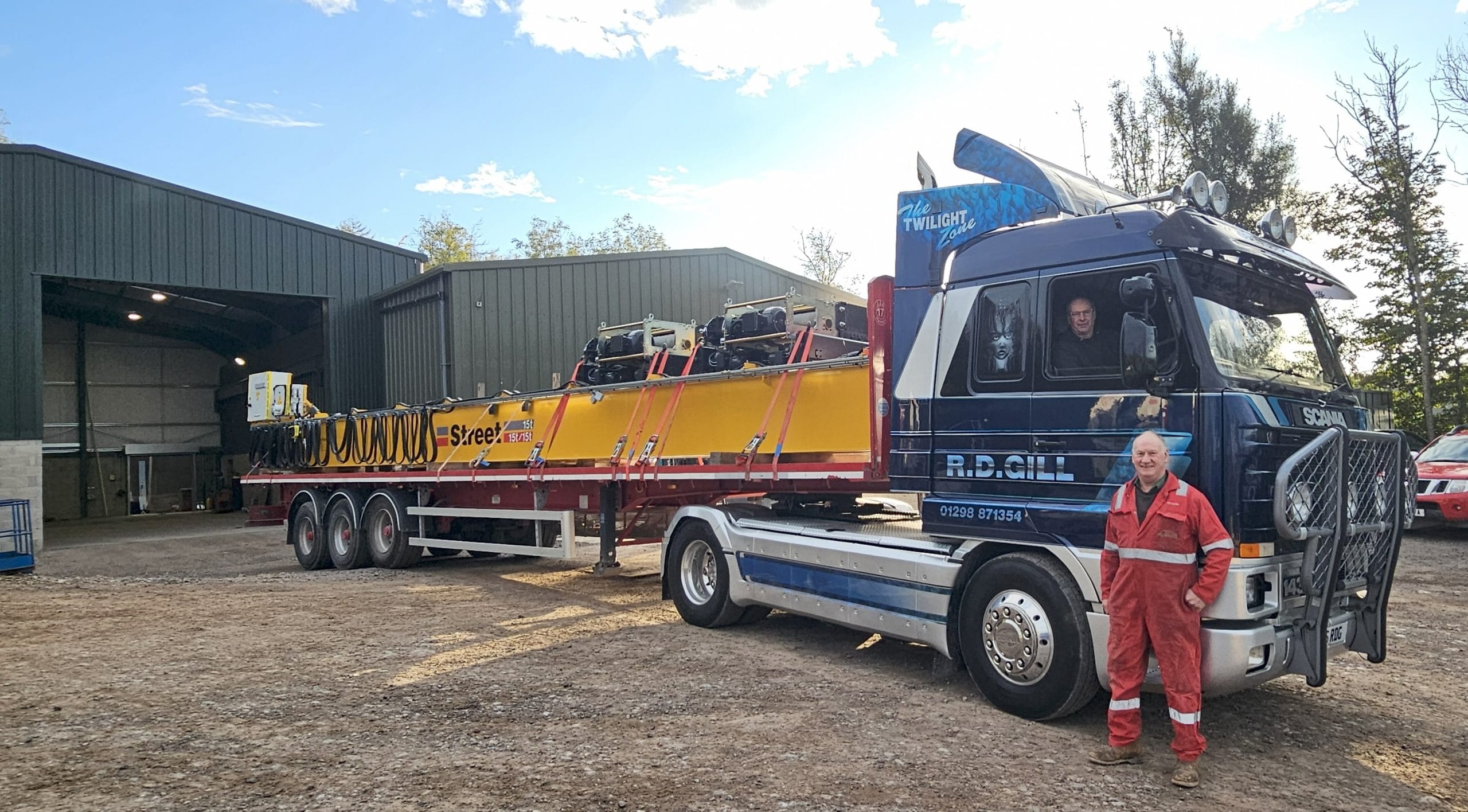
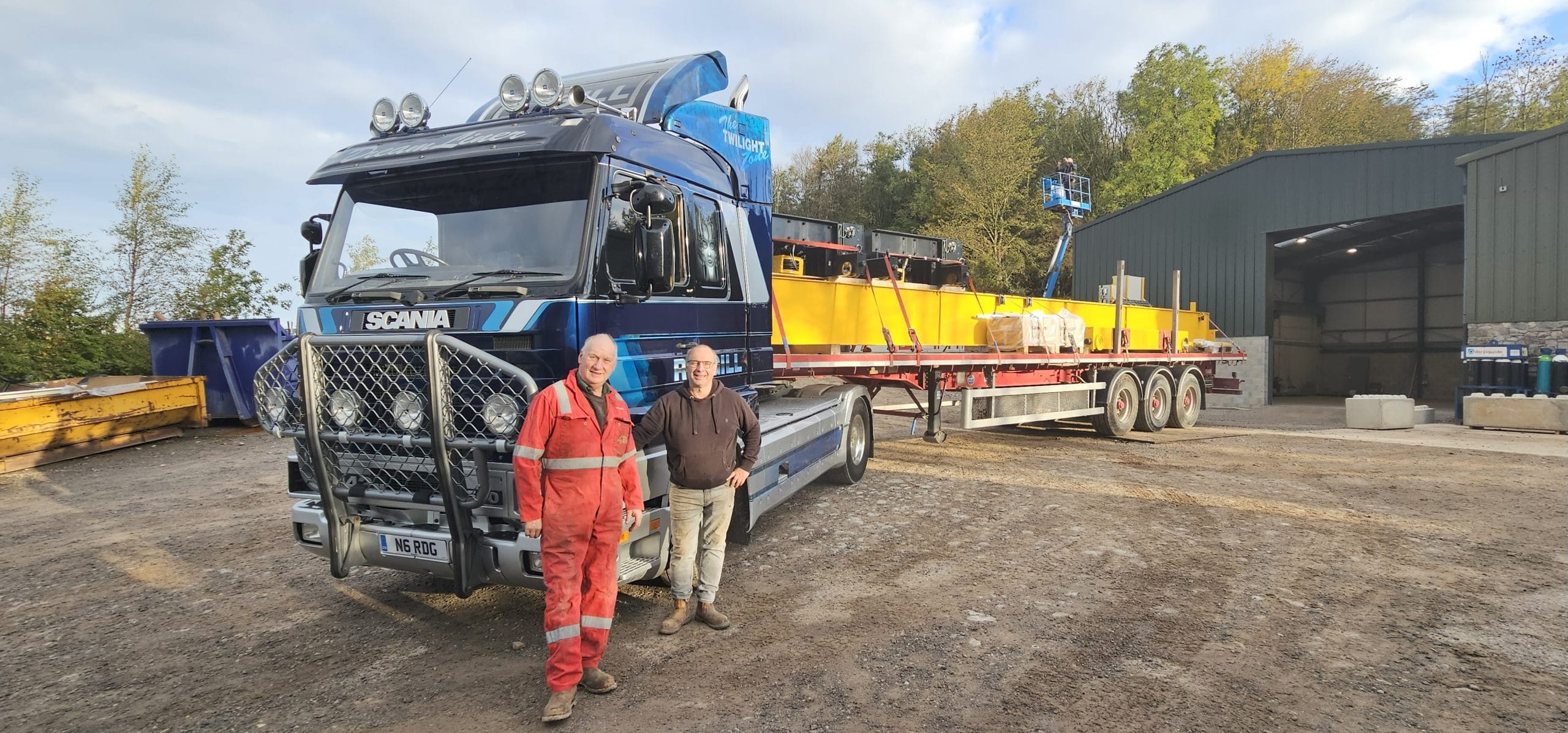
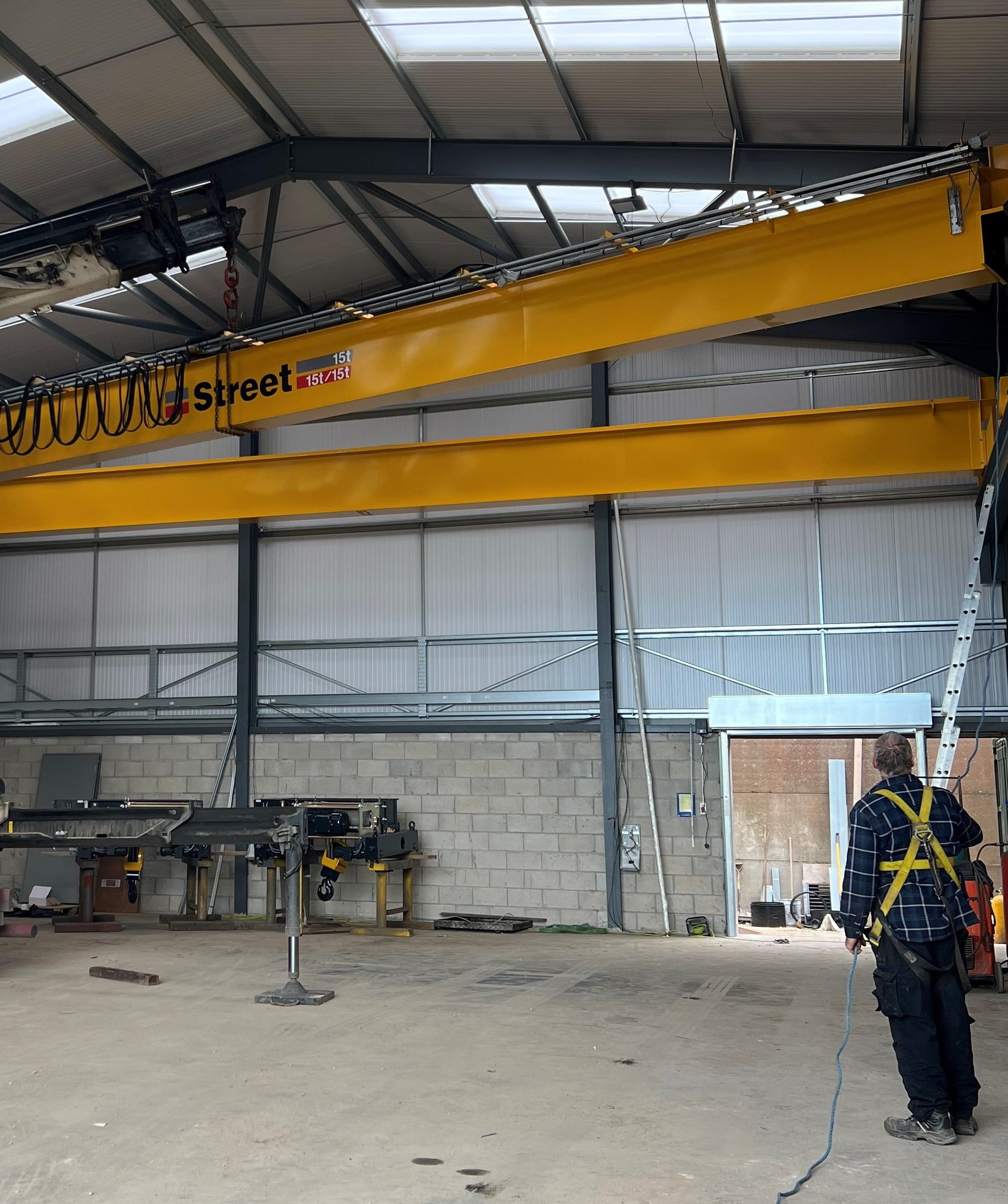
There’s something special about seeing pieces of Street Crane history come together — and that’s exactly what happened recently when a crane was delivered to a familiar name on a very familiar truck.
Andrew Bettney — or Sodbuster, as many of his former colleagues fondly remember him — was once a skilled installation engineer and welder at Street Crane. In 1984, he left to start his own venture: Tideswell Welding Services, a family-run business that began humbly from the back of his van.
Fast forward a few decades, and Andrew’s business has grown steadily. In 2017, he moved into a unit on Tideswell Moor and reached out to Street Crane for a lifting solution. Now, with a brand-new building in place, Andrew has once again turned to Street Crane for another crane to support his expanding operations.
But the delivery wasn’t just business as usual — it was a trip down memory lane.
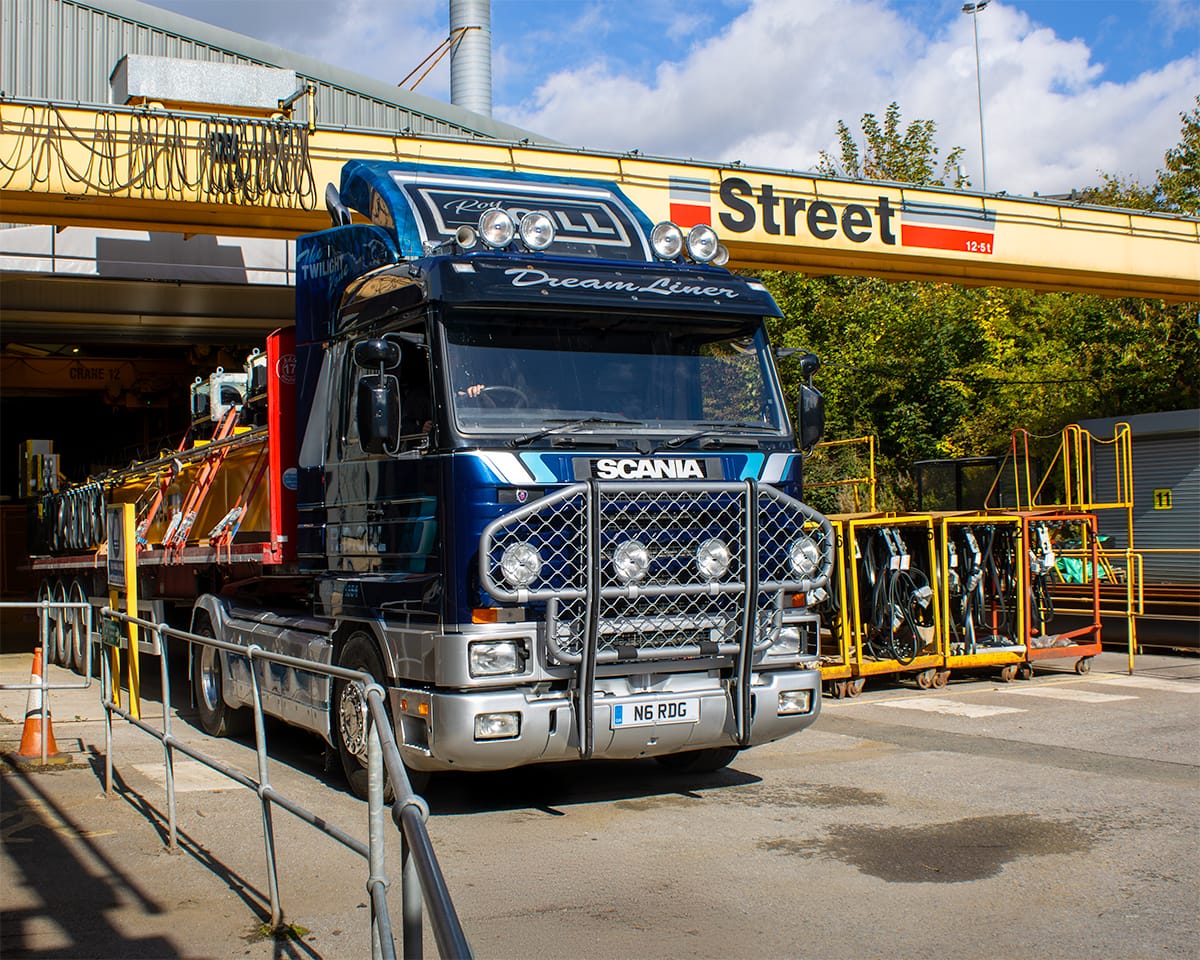
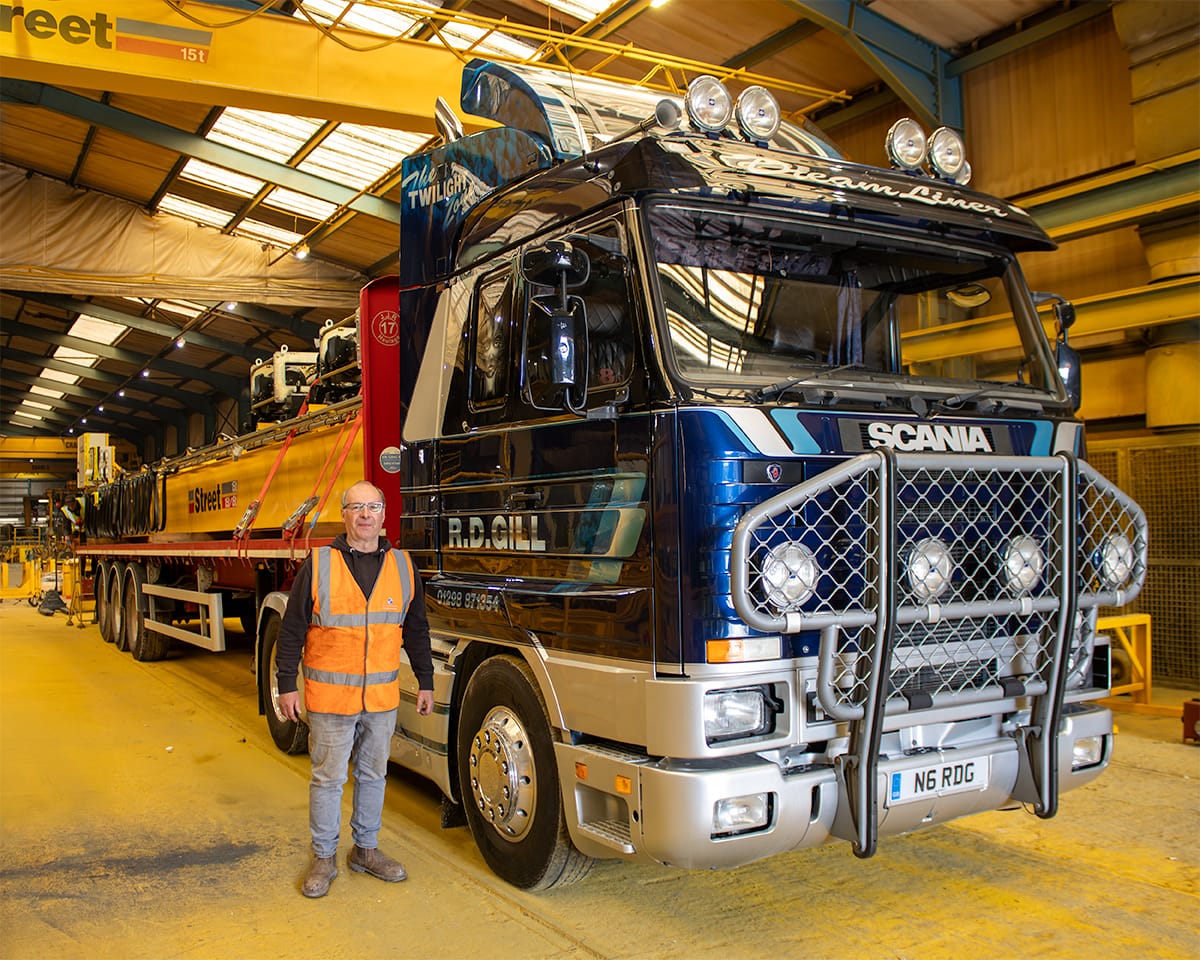
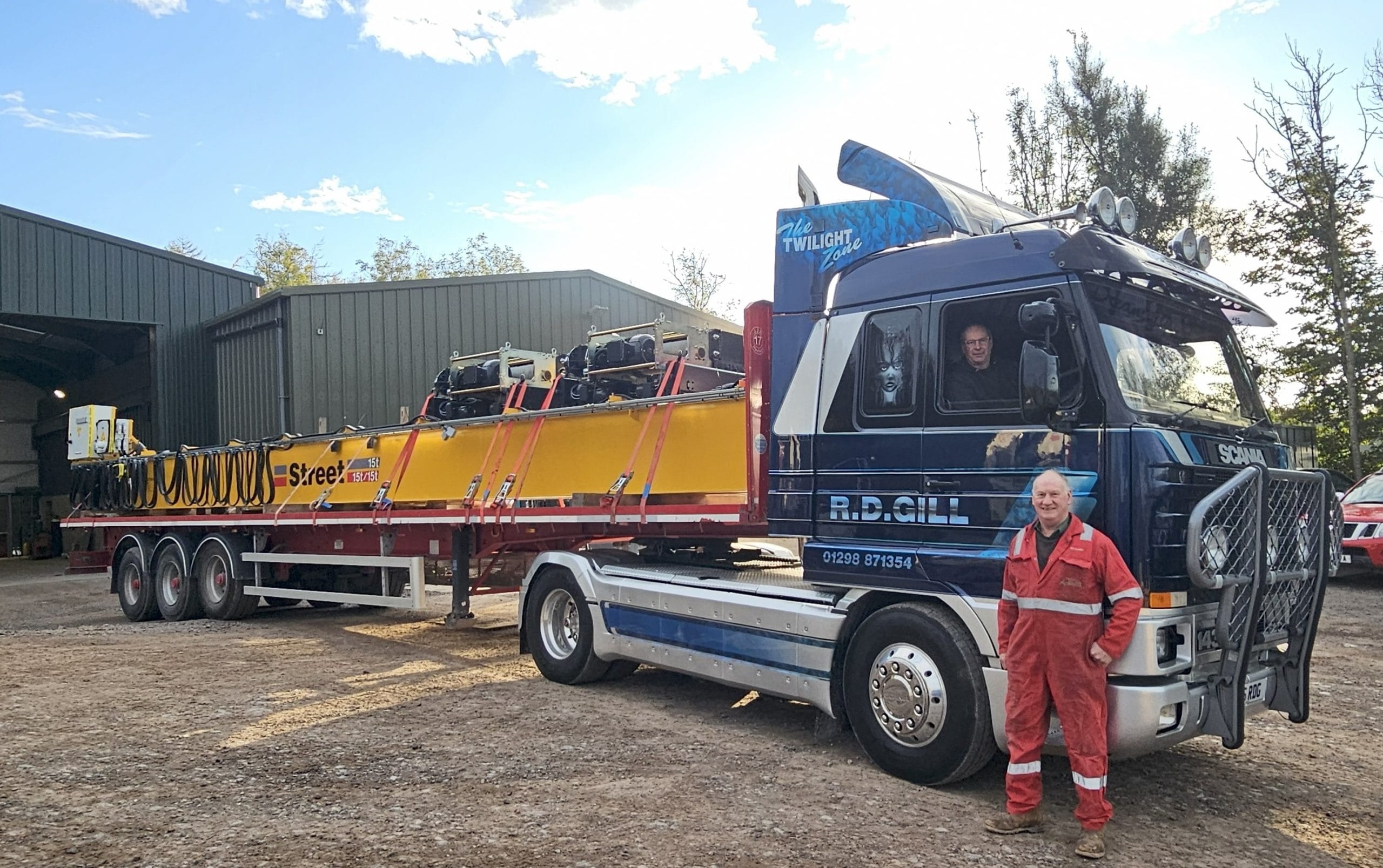
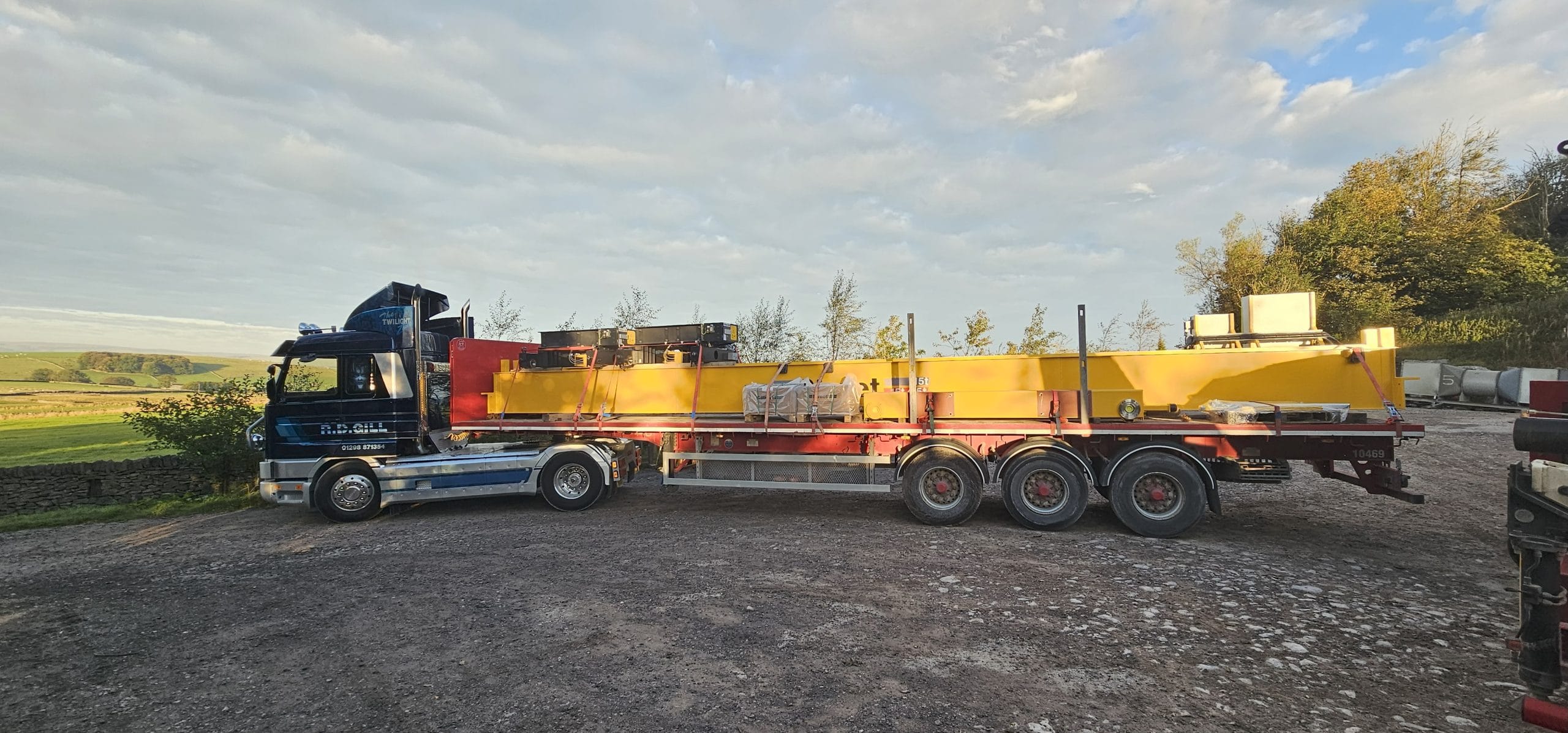
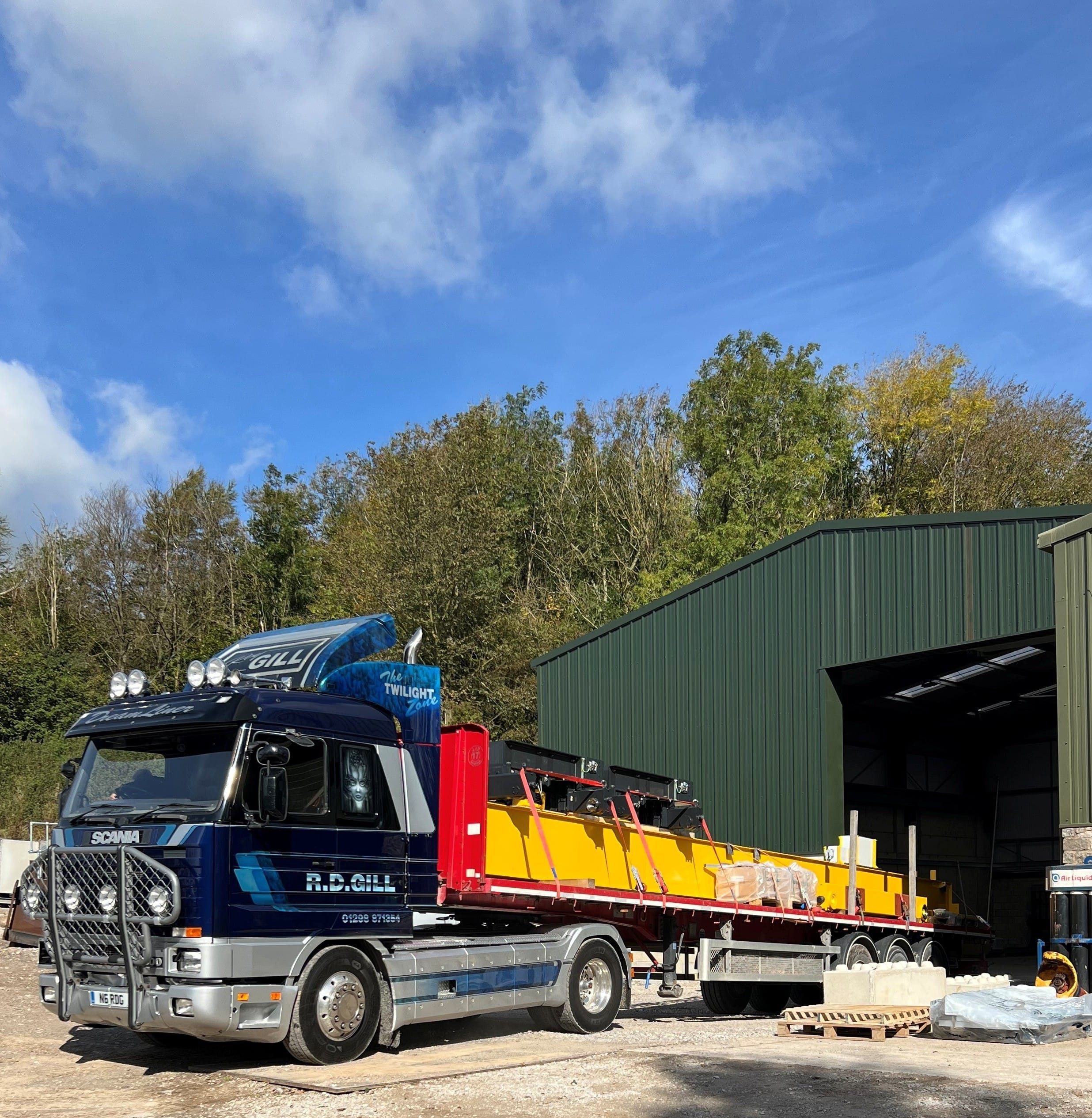
Back in the 1980s and 1990s, Street Crane relied heavily on RD Gill Transport for its haulage needs. One of their drivers, Nick Gregory, has kept the legacy alive by restoring the original truck he used during this time. That very truck sourced from Ireland — lovingly brought back to life — is still going strong today.
And what better way to deliver Andrew’s new crane than with Nick’s beautifully restored wagon? Two pieces of Street history, side by side: a former employee turned successful business owner, and a vintage truck that once carried countless Street Cranes across the country.
Take a look at our delivery photo’s from Street Crane to Andrew’s warehouse — they’re more than just a delivery; they’re a celebration of craftsmanship, loyalty, and the enduring connections that make Street Crane what it is.
How to Choose the Right Electric Hoist for Your Business: A UK Buyer’s Guide
July 29, 2025
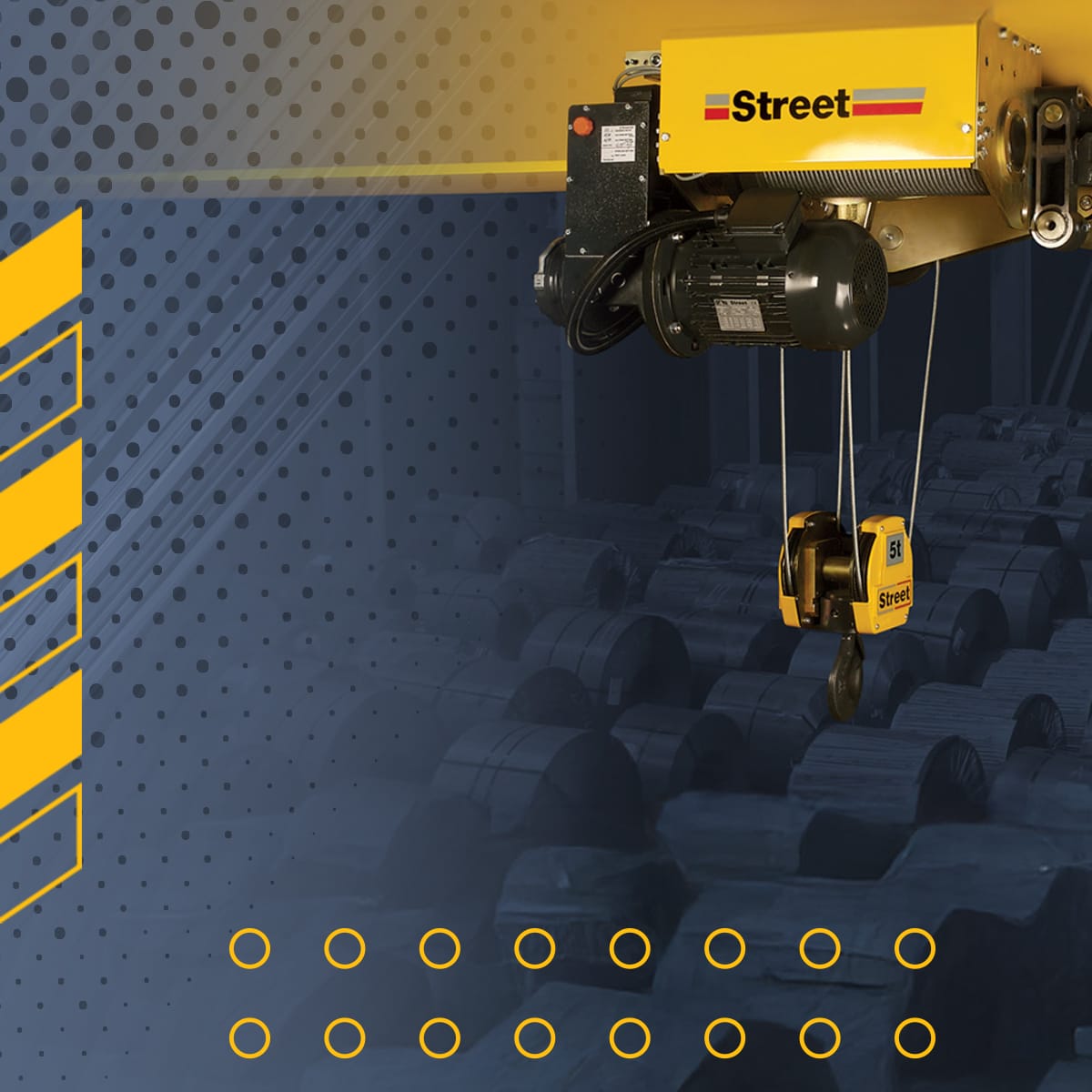
Choosing the right electric hoist for your business is essential for ensuring safe, efficient, and reliable lifting operations. Whether you’re in manufacturing, warehousing, construction, or automotive services, electric hoists offer a powerful solution for handling heavy loads with minimal manual effort. This guide will walk you through the key considerations to help you select the best electric hoist for your specific needs.
What Is an Electric Hoist?
An electric hoist is a motorised lifting device designed to raise, lower, and move heavy loads with precision and ease. Powered by electricity, these hoists are commonly used in industrial and commercial settings where frequent lifting is required. They are available in various configurations, including chain and wire rope models, and can be mounted in different ways depending on your workspace.
Key Factors to Consider When Choosing an Electric Hoist
Load Capacity
Always select a hoist that can safely handle your maximum load weight. Overloading can lead to equipment failure and serious safety risks. Common capacities range from 125kg to 250 tonnes.
Lifting Height
Determine the vertical distance the hoist needs to cover. This ensures the hoist can operate effectively within your workspace.
Duty Cycle
The duty cycle of a hoist is the percentage of time it operates during a full cycle, and it must also account for the weight and frequency of the loads lifted, as heavier or more frequent loads increase wear and reduce safe operating time. Consider how often the hoist will be used. For continuous or high-frequency operations, choose a model with a high duty rating to avoid overheating and premature wear.
Lifting Speed
Faster hoists improve productivity, especially in high-volume environments. However, slower speeds may offer more control for delicate operations.
Power Supply
Most electric hoists run typically on three-phase power and occasionally on single-phase. Ensure compatibility with your site’s electrical infrastructure.
Mounting Options
• Hook-mounted: Easy to install and relocate
• Trolley-mounted: Ideal for horizontal movement along beams
• Fixed-mounted: Best for permanent installations
Control Systems
Choose between pendant controls, wireless remotes, or integrated systems depending on your operational needs and safety requirements.
Safety and Compliance in the UK
Electric hoists must comply with UK regulations, including:
• LOLER (Lifting Operations and Lifting Equipment Regulations)
• PUWER (Provision and Use of Work Equipment Regulations)
• UKCA or CE marking
• The Supply of Machinery (Safety) Regulations 2008
Look for safety features such as:
• Overload protection
• Emergency stop functions
• Limit switches
• Thermal protection
Regular inspections and maintenance are also essential to ensure ongoing compliance and safe operation.
Cost vs. Long-Term Value
While electric hoists may have a higher upfront cost compared to manual alternatives, they offer significant long-term benefits:
• Increased efficiency
• Reduced labour costs
• Enhanced safety
• Lower maintenance with quality models
Consider factors such as warranty, availability of spare parts, and manufacturer support when making your decision.
Industry Applications
Electric hoists are widely used across various sectors:
• Warehousing: For lifting pallets, crates, and equipment
• Manufacturing: For assembly lines and material handling
• Automotive: For engine lifting and component movement
• Construction: For lifting tools and materials on-site
Conclusion: Invest in the Right Electric Hoist
Choosing the right electric hoist is about more than just lifting power—it’s about matching the equipment to your operational needs, ensuring safety, and maximising efficiency. Take the time to assess your requirements, consult with a trusted supplier, and invest in a hoist that will serve your business reliably for years to come.
Looking for expert advice or a tailored quote? Contact Street Crane today to find the perfect solution for your business or to request a brochure for our LX electric chain hoists, ZX electric wire rope hoists or our VX open winch hoists.
How to Select the Right Overhead Crane System for Your Business?
April 8, 3025
How to Select the Right Overhead Crane System for Your Business?
Choosing the right crane system for your business is a critical decision that can significantly impact productivity, safety, and operational efficiency. With various types of cranes available, each designed for specific tasks and environments, making an informed choice requires a clear understanding of your business needs, the types of loads to be handled, and the working conditions. This guide will walk you through the essential factors to consider when selecting the right crane system for your business.
1. Assess Your Business Needs
The first step in selecting the right crane system is to thoroughly assess your business needs. Consider the following aspects:
Load Capacity
Determine the maximum weight of the loads that will be lifted. It’s crucial to choose a crane that can handle the heaviest load in your operations to ensure safety and efficiency.
Lift Height
Identify the required lifting height, which is the distance the load needs to be lifted. This will help determine the type of crane and its specifications.
Span and Reach
Consider the distance the crane needs to cover horizontally. This includes the span (the width the crane must cover) and the reach (the distance from the crane’s base to the load).
Frequency of Use
Evaluate how often the crane will be used. For high-frequency use, a more robust and durable system may be necessary, while a less frequent use might allow for a more cost-effective solution.
2. Understand the Types of Cranes
There are various types of crane systems, each suitable for different applications. Understanding their features and capabilities is essential for making the right choice.
Overhead (Gantry) Cranes
Overhead (gantry) cranes, also known as bridge cranes, are ideal for lifting heavy loads in industrial settings. They consist of parallel runways with a traveling bridge spanning the gap. Overhead cranes are excellent for covering large areas and providing precise load control.
Portal / Goliath
Portal or Goliath cranes are similar to overhead cranes but are supported by legs that move on wheels or along a track. They are versatile and can be used indoors or outdoors, making them suitable for construction sites, shipyards, and warehouses.
Jib Cranes
Jib cranes have a horizontal arm (jib) that supports a hoist, which can move along the arm. They are ideal for lifting tasks in smaller workspaces or for assisting in repetitive lifting operations. Jib cranes can be column-mounted or free-standing or wall travelling.
Light Crane Systems
Light Crane Systems are cost effective and highly durable workstation cranes tailor made for the individual application and ideal when handling requirements are localised. LCS cranes may be suspended from a building structure but in cases where the building structure will not support the additional crane loads monorail and crane systems can be free standing.
3. Evaluate Working Conditions
The environment in which the crane will operate plays a significant role in determining the right system.
Indoor vs. Outdoor
Consider whether the crane will be used indoors or outdoors. Outdoor cranes need to withstand weather conditions and may require additional features like weatherproofing.
Space Constraints
Assess the available space for crane installation and operation. Ensure there is enough room for the crane to move and operate safely without obstructions. You also need to consider how you are going to install your crane.
Environmental Factors
Take into account any environmental factors such as temperature, humidity, and potential exposure to corrosive substances. Choose a crane system that is designed to handle these conditions.
4. Safety and Compliance
Safety is paramount when selecting a crane system. Ensure the crane meets all relevant safety standards and regulations. Consider the following:
Load Testing
Ensure the crane undergoes load testing to verify its capacity and safety features.
Operator Training
Invest in proper training for crane operators to ensure safe and efficient operation.
Maintenance and Inspection
Regular maintenance and inspection are crucial for the safe operation of the crane. Choose a system that offers easy maintenance and has readily available spare parts.
5. Cost Considerations
While cost should not be the sole determining factor, it is essential to consider your budget. Evaluate the total cost of ownership, including:
Initial purchase price
Installation costs
Maintenance and repair expenses
Operating costs
Consider the long-term benefits of investing in a high-quality crane system that offers reliability, efficiency, and safety.
Conclusion
Selecting the right crane system for your business involves a careful assessment of your needs, understanding the different types of cranes, evaluating working conditions, prioritising safety, and considering cost factors. By taking a comprehensive approach, you can choose a crane system that enhances productivity, ensures safety, and delivers long-term value for your business.
Get in Touch
If you would like to speak to us about our products or a bespoke solution for your business, please call +44 1298 812456 or email us at admin@streetcrane.co.uk.
Three Generations of Success: The Street Crane Legacy
March 31, 2025
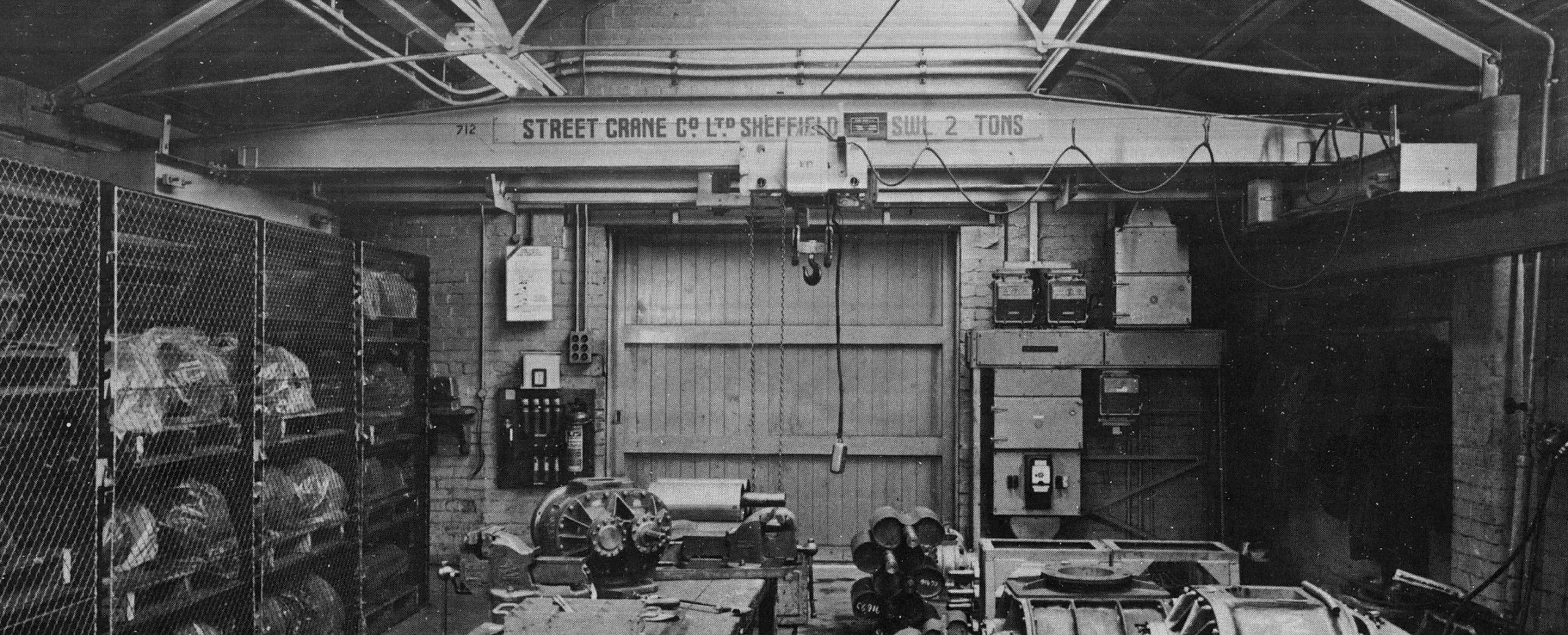
In 2025, Street Crane Company celebrates an incredible milestone: 79 years of family-led innovation and success. What started as a humble crane repair service in Sheffield has grown into a global leader in crane manufacturing, all thanks to the dedication and vision of the Street family.

The journey began in 1946 when Peter Street, a WWII Spitfire pilot, used his demobilisation money—just £88—to establish Street Crane. His expertise and determination laid the foundation for a business that would stand the test of time. From those early days of repairing cranes, Peter’s company steadily grew, gaining a reputation for quality and reliability.
In 1975, Peter’s son, Martin Street, joined the business and this year, Martin marks an incredible 50 years at the company—a testament to his leadership and commitment. Under Martin’s guidance, Street Crane transformed from a respected local service provider into a globally recognised name in crane manufacturing. His vision and dedication have ensured that the company remains at the forefront of the industry, continually innovating and expanding.
Now, the third generation is making its mark. William “Will” Street, Martin’s son, joined the company in 2020, initially as an accountant. Bringing with him five years of experience from top accountancy firm BHP and a strong academic background, Will quickly proved his capabilities. He has since progressed to Financial Director, playing a vital role in the company’s ongoing success.
For Will, being part of the family business is both an honour and a challenge. “It’s special to be part of something my grandfather built from scratch. What my grandfather and father have achieved is incredible, and I’m excited to help take Street Crane to the next level.”
As Street Crane enters its eighth decade, the future looks brighter than ever. With three generations of leadership, a commitment to innovation, and a strong foundation of hard work and efficiency, the company is set to continue its legacy of excellence. From its modest beginnings to its status as a global industry leader, Street Crane remains a shining example of what can be achieved through determination, expertise, and family dedication.
Street Crane Unveils New Website
July 7, 2025

We are thrilled to announce the launch of our brand-new website at Street Crane! Designed with our customers in mind, the new platform offers you an improved user experience, enhanced navigation, and comprehensive insights into our industry-leading crane solutions.
What’s New?
- Modern Design & Improved Navigation – Find the information you need quickly and efficiently.
- Detailed Product Information – Explore our full range of cranes, hoists, and lifting solutions.
- Enhanced Customer Support – Easy access to product information, technical documentation and FAQs.
- Latest News & Updates – Stay informed about industry trends, company news, and innovations from Street Crane.
Why the Change?
As a company committed to continuous innovation, we wanted to ensure our website reflects our expertise and dedication to our customers. The new website serves as a hub for all things Street Crane, making it easier than ever to connect with us and explore our solutions.
Contact us!
We invite you to explore our new website and experience the improvements firsthand. Whether you’re looking for technical details, product specifications, or company insights, our new platform is designed to meet your needs.
Email vicky.zona@streetcrane.co.uk and let us know your thoughts!
New Engineering Manager Appointed
September 9, 2024
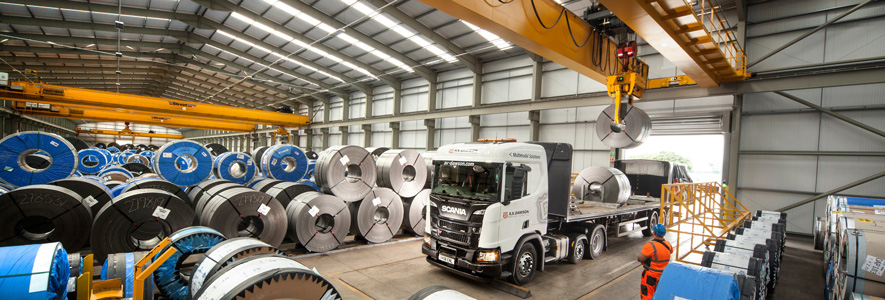
We are delighted to announce the promotion of Mark Baslington into the position of Engineering Manager heading our technical team here at Street Crane.
Mark joined the company almost four years ago with a wealth of previous overhead crane experience and has been instrumental in helping Street Crane to develop new systems and overcome many technically challenging projects.
On behalf of your friends and colleagues here, congratulations on your promotion Mark.