



New Case Studies Showcase Street Crane Success with Indian Distributors
April 28, 2026
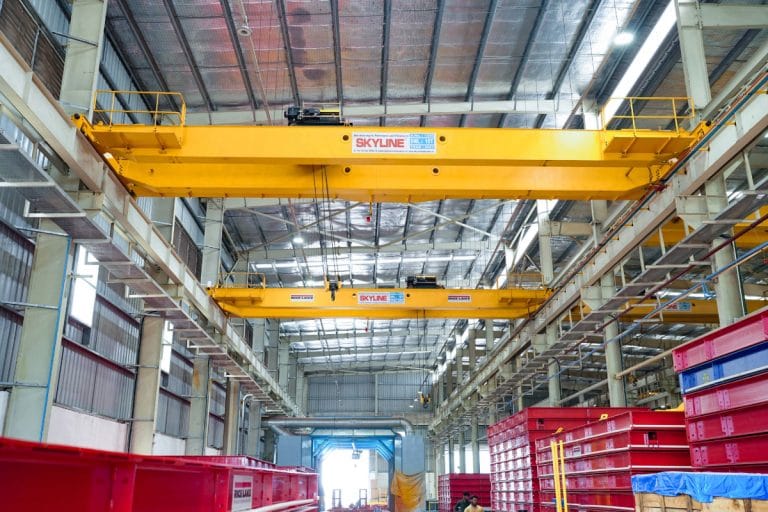
Street Crane continues to strengthen its global footprint through close collaboration with trusted distributor partners. We are pleased to release three new case studies from India, highlighting successful projects delivered across manufacturing and automotive sectors. These projects demonstrate how Street Crane’s proven lifting technology, combined with local distributor expertise, delivers reliable, high-performance solutions tailored to demanding industrial environments.
Working with Trusted Partners in India
India continues to be an important market for Street Crane, with growing demand across manufacturing and heavy industry. Our distributor network ensures customers benefit from local knowledge, responsive support and proven lifting technology.
Skyline Industries, Pithampur, India
In Pithampur, Street Crane partnered with Skyline Industries to deliver a robust lifting solution for a new manufacturing expansion. Operating within the manufacturing sector, the project required high levels of precision, efficiency and safety to support continuous day-to-day operations.
Skyline Industries designed and supplied a comprehensive lifting package comprising nine 10-tonne double girder electric overhead travelling (EOT) cranes, ensuring consistent performance across the facility. The solution enabled seamless integration of the crane systems into the new plant layout, delivering operational excellence, reliability and long-term value across the expanded production facility.
Visdil Ventures & Cranesmith, India
Street Crane worked in partnership with Visdal Ventures and Cranesmith to deliver a heavy-duty lifting solution for a high-volume automotive manufacturing environment. The application required cranes capable of supporting continuous, high-frequency production with absolute reliability, particularly for the safe handling of heavy moulds.
Visdal Ventures and Cranesmith delivered a complete turnkey solution across multiple manufacturing sites. The initial phase involved a 15-tonne double girder crane fitted with a Street ZX8 hoist rated to M6 duty, followed by a second phase featuring 30/15-tonne double girder cranes equipped with ZX10 and ZX8 hoists. These systems were engineered to support heavy mould handling within newly expanded 30-metre bay lengths, ensuring safe, efficient and dependable operation while delivering measurable improvements in productivity, safety and operational efficiency.
Skyline Industries, Ujjain, India
Street Crane also partnered with Skyline Industries to deliver a lifting solution for a manufacturing facility in Ujjain, where the production process requires the regular, safe and precise handling of heavy dies and moulds used in extrusion machinery.
The facility layout presented additional challenges, including minimal headroom, reduced end approach and frequent loading and unloading cycles within confined spaces, making smooth operation and accurate load placement essential. To meet these requirements, Skyline Industries supplied six 5-tonne single girder EOT cranes, engineered with a 35-metre span to provide full coverage of the production hall while optimising available space. The solution delivered improved productivity, increased uptime and precise load control, supporting efficient operation while maintaining high standards of safety and reliability.
https://streetcrane.com/industry/case-studies/
To find out more about Street Crane solutions in India, please contact your local distributor or our sales team.

Street Crane Appoints Mark Baslington as Technical Director (Designate)
April 24, 2026
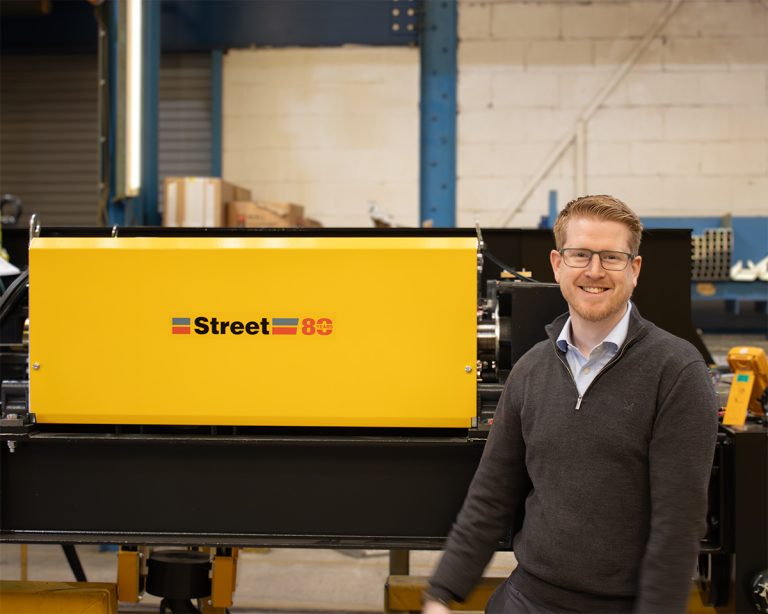
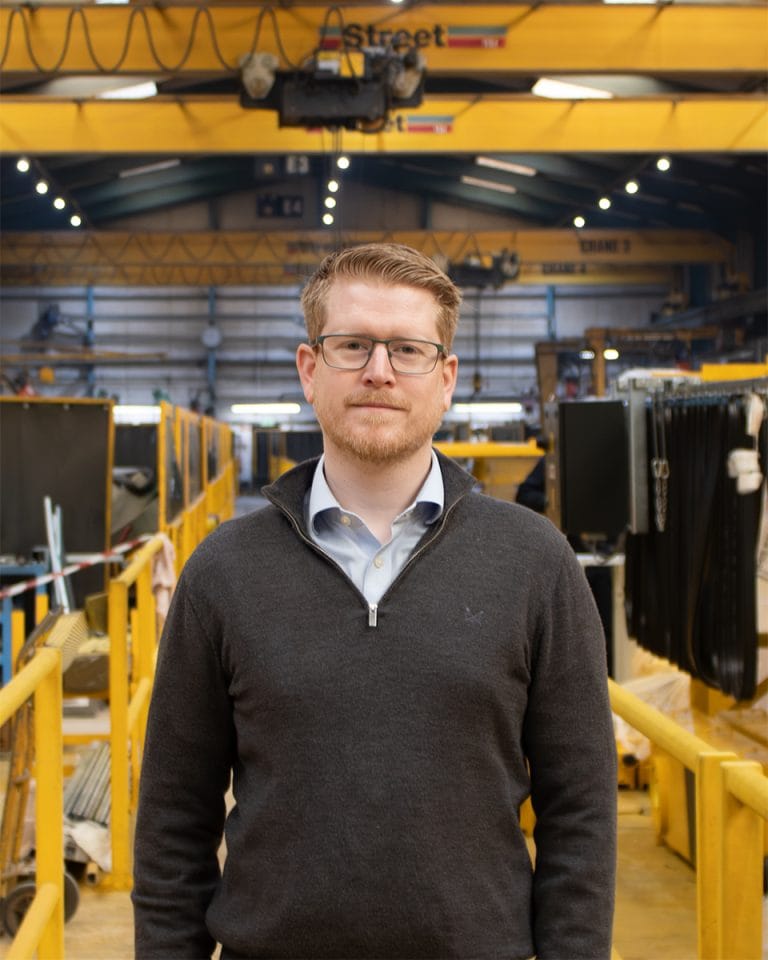
We are pleased to announce the appointment of Mark Baslington as Technical Director (Designate), following his promotion from the role of Technical Manager.
Since joining Street Crane, Mark has consistently demonstrated exceptional technical leadership, a strong commitment to continuous improvement, and a clear focus on delivering high-quality engineering solutions. In his role as Technical Manager, Mark has played a vital part in strengthening our technical capability, supporting product development and ensuring that our designs continue to meet the highest standards of performance, safety and reliability.
Mark’s promotion recognises not only his achievements to date, but also his ongoing commitment to the business, his leadership within the technical team, and his contribution to the continued success and future direction of Street Crane.
As Technical Director (Designate), Mark will work closely with the senior leadership team to further develop our technical strategy, support innovation across the business and continue to enhance the value we deliver to our customers.
Commenting on his appointment, Mark said:
“I am excited for this new adventure and I’m looking forward to working more closely with the Board and the whole of Street Crane. Thank you for the opportunity.”
We would like to congratulate Mark on his well deserved promotion and look forward to supporting him in this next stage of his career with Street Crane.
A Lighthearted Look Back at Ted Townsend’s 40 Years at Street Crane
April 1, 2026
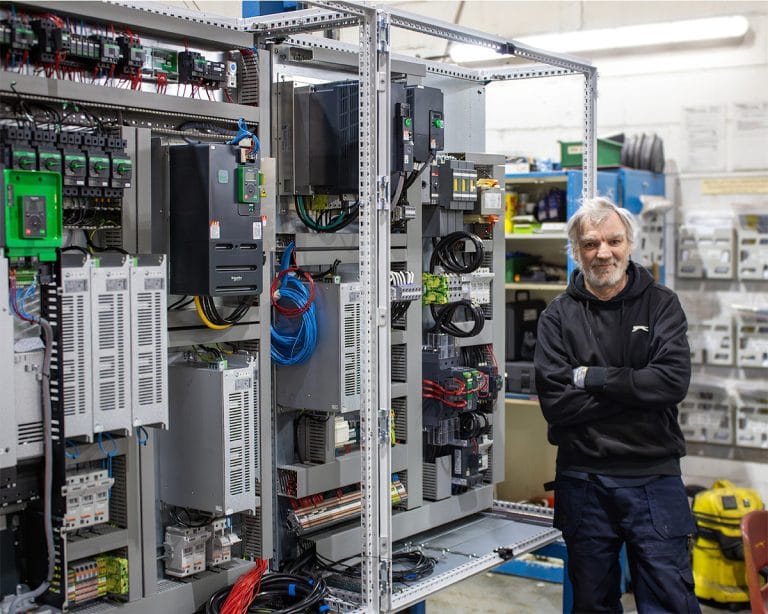
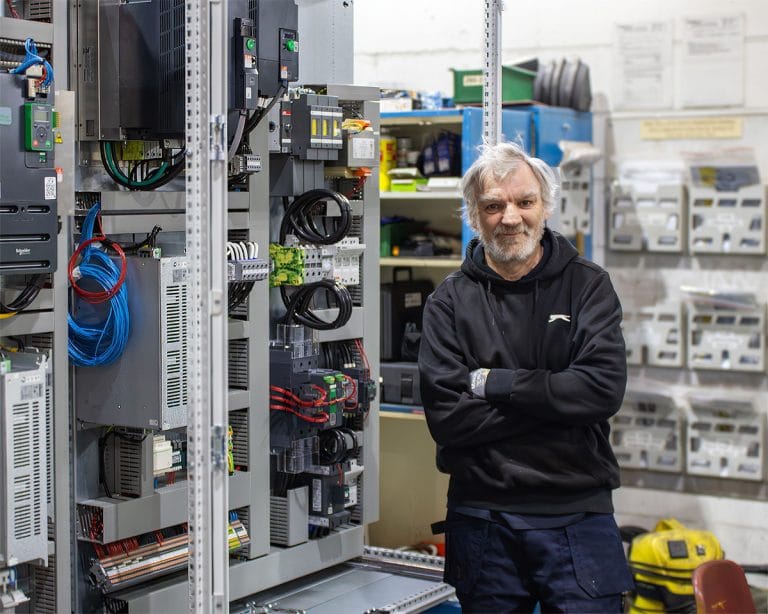
When Ted Townsend turned up for his very first shift on 10th March 1986, he probably thought he was here for a job, not a four‑decade career. Yet here we are, 40 years later, celebrating a man who’s become part of the furniture (in the nicest possible way).
Back then, Street Crane was a very different place. Ted started out on the night shift as an electrician, paired up with Dave Moss, and quickly discovered that the company was… well… smaller. A lot smaller. No hoist works.
No end carriage shop. And the steel stock? Outside. All of it. In the weather. Times were simpler and probably colder.
After those early night‑shift years Ted went on to join the international installation team, commissioning and testing cranes across the globe. From Dubai and Qatar to Russia and even the Falkland Islands, Ted represented Street Crane with the same steady reliability he showed at home. His passport filled up almost as fast as his toolbox, and his global experience became a huge part of the value and depth of knowledge he brought back to the team.
Over the years, Ted gathered more memories than tools in an electrician’s van, but one moment stands out:
the day he was asked to take on the electrical foreman role after Fred Wilkinson retired. A big responsibility and proof that Ted wasn’t just good at his job — he was trusted, respected, and probably very patient.
And of course, no look back at the old days would be complete without a classic Street Crane story. Ted reminded us of one involving our chairman, Martin Street, who once asked someone to climb into the boot of his wife’s Jaguar just to check whether the interior light actually went off when it closed. What you had to do in those days, eh!
Now, after 40 years of dedicated service, Ted is finally hanging up the overalls and stepping into retirement on 1st April 2026 (and no, this isn’t an April Fool’s joke — we checked).
As for his retirement plans? Ted’s keeping things open‑ended: a few ideas of his own, plus whatever Pauline has quietly pencilled into his future. What he is sure about is that the holidays will increase, and the alarm‑clock use will dramatically decrease.
In fact, when we asked what he’s looking forward to on the very first Monday morning of retirement, his answer was pure Ted:
“Just being able to get up when I want and chilling out.”
A well‑deserved lie‑in if ever there was one.
We couldn’t let him leave without asking for some sage advice for the apprentices. In classic Ted style, he kept it simple:
“Keep listening, concentrate, and learn from your elders.”
Solid wisdom — and delivered with just the right amount of “I’ve seen a thing or two.”
After four decades of hard work, dry humour, steady leadership, worldwide experience, and the kind of reliability you wish you could bottle, Ted leaves behind a legacy and an office full of colleagues who will miss him dearly.
Ted, thank you for the laughs, the graft, and the 40 years of loyal service. Enjoy every minute of your well‑earned retirement and that first blissful Monday morning.
Street Crane Celebrates 80 Years of Engineering Excellence
March 9, 2026


Street Crane is proud to mark a major milestone in 2026 as the company celebrates its 80th anniversary.
What began in 1946 as a small engineering workshop in the heart of the Peak District has grown into one of the world’s leading manufacturers of overhead cranes, hoists, and lifting solutions. Eight decades later, the company’s commitment to engineering quality, innovation, and trusted partnerships remains stronger than ever.
To commemorate this landmark year, Street Crane has today unveiled its 80 Years Anniversary logo, which will appear across the company’s communications, website, and social media channels throughout 2026. The new emblem represents both the company’s heritage and its forward‑looking ambition as it continues to support global industry.
Eight Decades of Progress
Since its earliest days, Street Crane has continuously evolved — expanding its product range, investing in engineering technology, and growing a worldwide network of distributors and partners. What started as a local business supplying lifting equipment to nearby manufacturers is now a global operation serving customers in more than 60 countries.
Throughout 2026, we will be sharing a series of features celebrating this journey, including:
- Milestones and defining moments from our history
- Stories from the people who helped build Street Crane
- Engineering innovation through the decades
- Highlights from our global distributor network
- A look at the future of lifting technology and where we are heading next
These stories will honour the dedication of our employees, the loyalty of our customers, and the strength of our partnerships around the world.
A Message from the Business
Eighty years on, the founding purpose of Street Crane remains unchanged: to build strong, reliable lifting equipment that keeps industry moving. Today, that mission is supported by more than 180 skilled employees in the UK and US, alongside a global community of distributors and dealers who play a vital role in delivering our products and expertise to customers worldwide.
As we celebrate this anniversary, we extend our sincere thanks to everyone who has been part of our story — past and present. Your commitment, trust, and collaboration have shaped who we are today.
Looking Ahead
While 2026 is a moment to reflect on our heritage, it is equally a year to look forward. Street Crane continues to invest in engineering innovation, digital technology, and training to ensure we remain at the forefront of lifting solutions for decades to come.
We invite you to follow along throughout the year as we share stories, historical highlights, and updates from our 80th anniversary celebrations.
Here’s to the next chapter of engineering excellence.
Street Crane Welcomes Suhan Shetty as Head of Strategic Partnerships
January 29, 2026
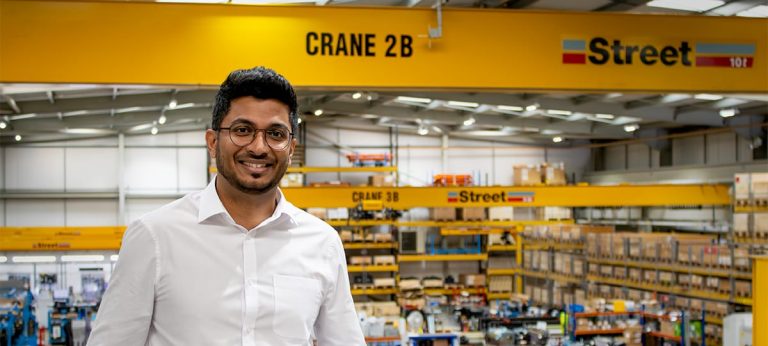
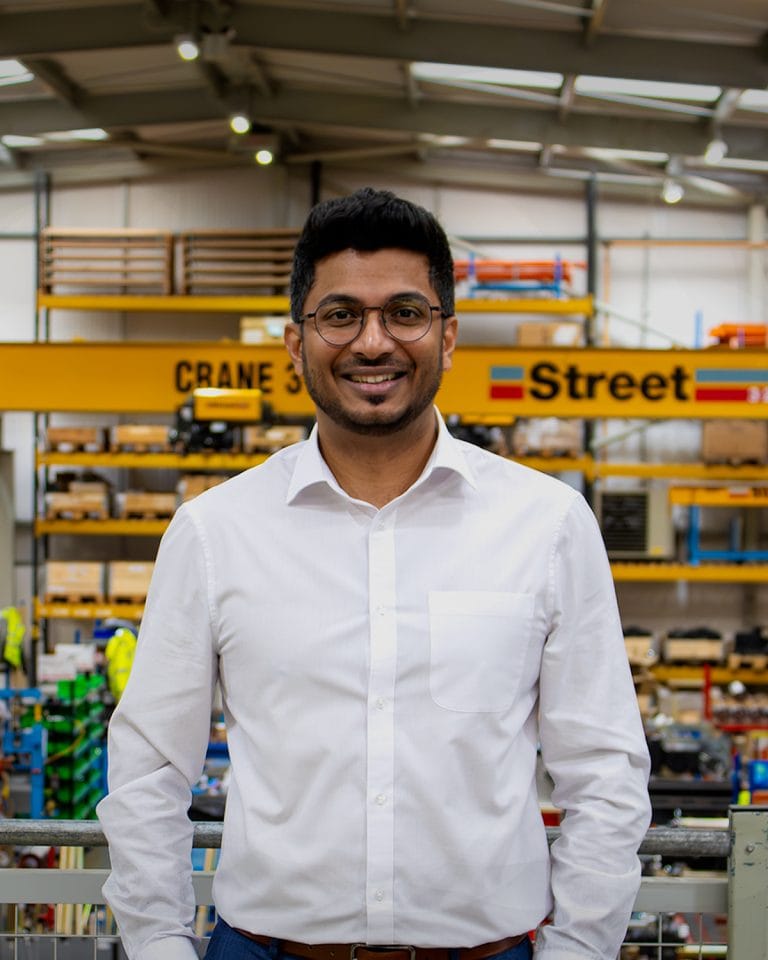
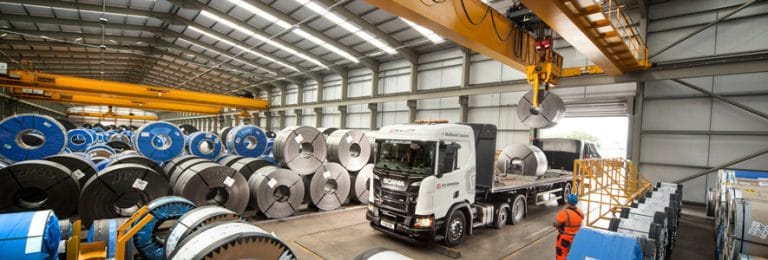
We’re delighted to welcome Suhan Shetty back to Street Crane as our new Head of Strategic Partnerships, strengthening our leadership team as we continue to grow our global presence.
With a background in mechanical engineering and project management, Suhan brings 14 years of international experience across the manufacturing and engineering sectors. Many within the business and our wider partner network will remember Suhan from his earlier time with Street Crane, having originally joined the company in 2015 as a Project Engineer.
During his initial tenure, Suhan quickly progressed into the role of Regional Account Manager, where he was responsible for developing and managing key relationships across the Middle East, North Africa (MENA) and India regions. In this role, he worked closely with customers and partners to deliver complex lifting solutions while supporting Street Crane’s international growth strategy.
After leaving Street Crane in 2022, Suhan joined EY, where he worked on inward investment projects for the UK Government. He later became part of the Office for Investment, building strategic relationships across the advanced manufacturing and defence sectors. This experience further strengthened his commercial, strategic and stakeholder engagement skills, providing valuable insight into international investment and partnership development.
Suhan’s return reflects his strong connection to Street Crane’s culture, people and long-standing commitment to quality engineering. In his new role, he will focus on developing and strengthening strategic partnerships worldwide, with an initial priority on building new relationships in the United States to support Street Crane’s growth strategy in this key market.
We’re excited to welcome Suhan back to the business and look forward to the impact he will make as we continue to expand our global partnerships and support customers across international markets.
Please join us in welcoming Suhan back to Street Crane.
Street Crane Celebrates 50 Years of Leadership and Innovation with Chairman Martin Street
December 11, 2025
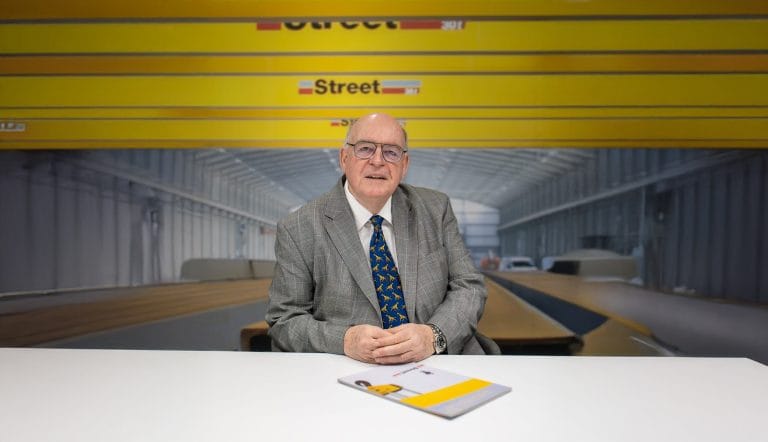
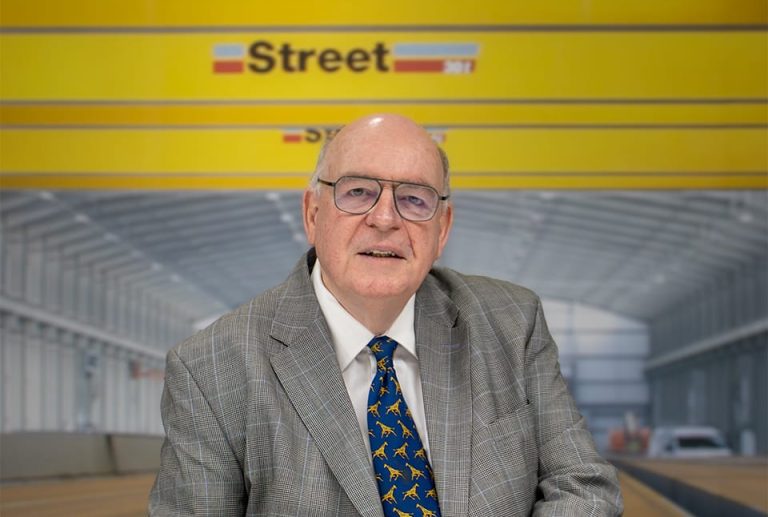
Street Crane, the UK’s leading manufacturer of overhead cranes and hoists, proudly celebrates a remarkable milestone: Chairman Martin Street marks 50 years of dedicated service to the company.
Martin began his career in 1975 after two years of training as an accountant, realising his true passion lay in manufacturing. Joining the family business was a natural step. Starting as a sales estimator at Crane & Hoist in Sheffield, earning £10 a week, Martin worked in a Victorian factory office alongside a team of just 25 people before moving to Street Crane operated separately in Chapel-en-le-Frith.
Reflecting on his journey, Martin cites his proudest achievement as the decision to design and manufacture Street Crane’s own range of hoist units and crane components—a move that transformed the company’s future. “When I started, there were more than 20 crane manufacturers of similar size in the UK. Today, Street Crane stands as the only one still producing its own range of products,” Martin said.
Under his leadership, Street Crane launched its third series of hoist products—the ZX6, ZX8 and ZX10—competing successfully with global giants on cost and performance. Another pivotal decision was to distribute crane components worldwide through a network of trusted partners, enabling Street Crane to become a global player.
Martin attributes the company’s success to innovation and adaptability: “We studied what leading manufacturers were doing and developed our own cost-effective solutions. Change was never easy, but it allowed us to grow and remain competitive.”
Above all, Martin emphasises that none of this would have been possible without the people behind the business: “It’s been a team effort all the way. From past to present, every achievement belongs to the incredible team at Street Crane. I am deeply grateful to everyone who has contributed to our success.”
It has always been important to Martin that provides good local jobs and careers but Street Crane is more than a business—it’s a family. Many employees have seen their children and grandchildren join the company, reinforcing its strong community values . Martin takes pride in seeing his son join the leadership team, ensuring continuity for future generations.
Looking ahead, Martin offers advice for future leaders: “Stay focused on what we do best. Keep pace with competitors, embrace industry standards, and continue developing world-class products.”
As Street Crane celebrates this milestone, Martin reflects on his legacy: “I hope to be remembered as part of a team that kept Street Crane at the forefront of world-class crane makers. I thank everyone—past, present and future—who made this journey possible.”
Two Legends Reunited: A Crane, a Classic Truck, and a Familiar Face
October 7, 2025
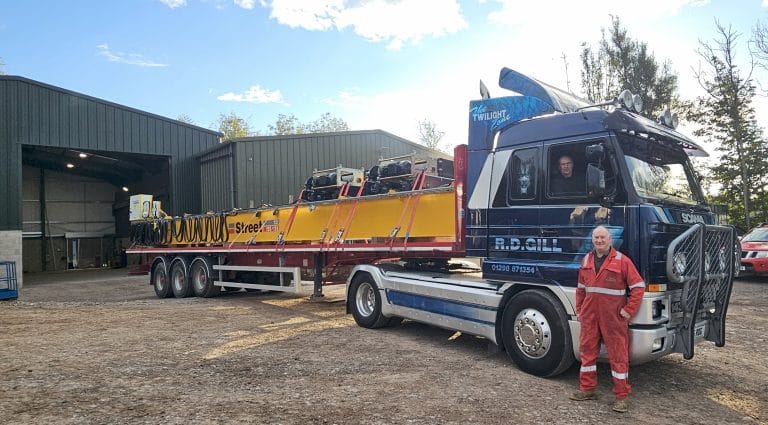
There’s something special about seeing pieces of Street Crane history come together — and that’s exactly what happened recently when a crane was delivered to a familiar name on a very familiar truck.
Andrew Bettney — or Sodbuster, as many of his former colleagues fondly remember him — was once a skilled installation engineer and welder at Street Crane. In 1984, he left to start his own venture: Tideswell Welding Services, a family-run business that began humbly from the back of his van.
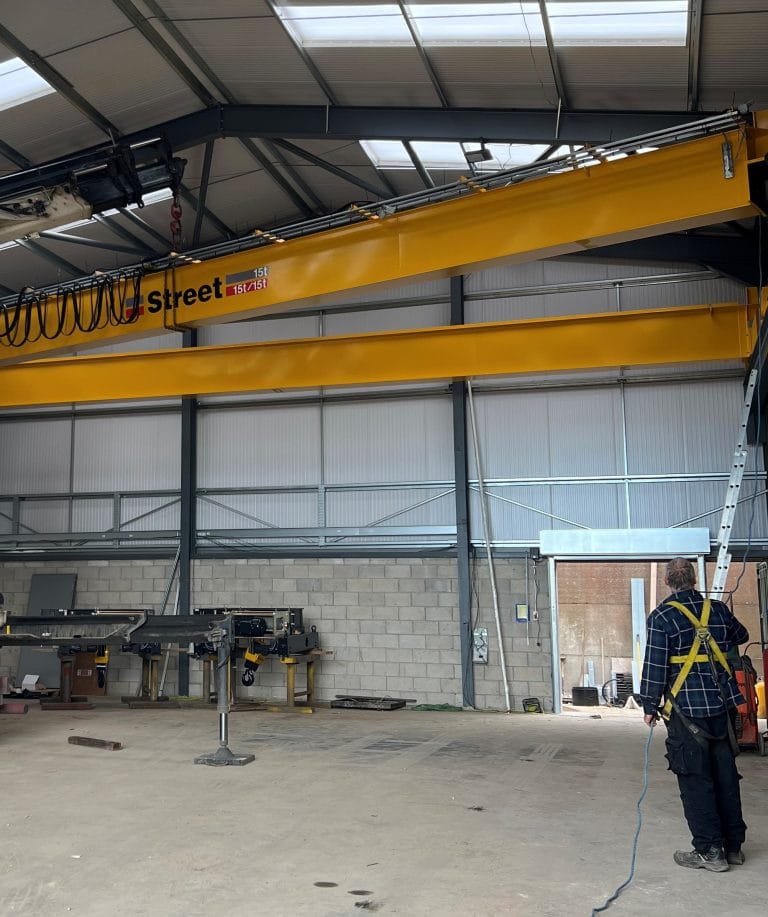
Fast forward a few decades, and Andrew’s business has grown steadily. In 2017, he moved into a unit on Tideswell Moor and reached out to Street Crane for a lifting solution. Now, with a brand-new building in place, Andrew has once again turned to Street Crane for another crane to support his expanding operations.
But the delivery wasn’t just business as usual — it was a trip down memory lane.
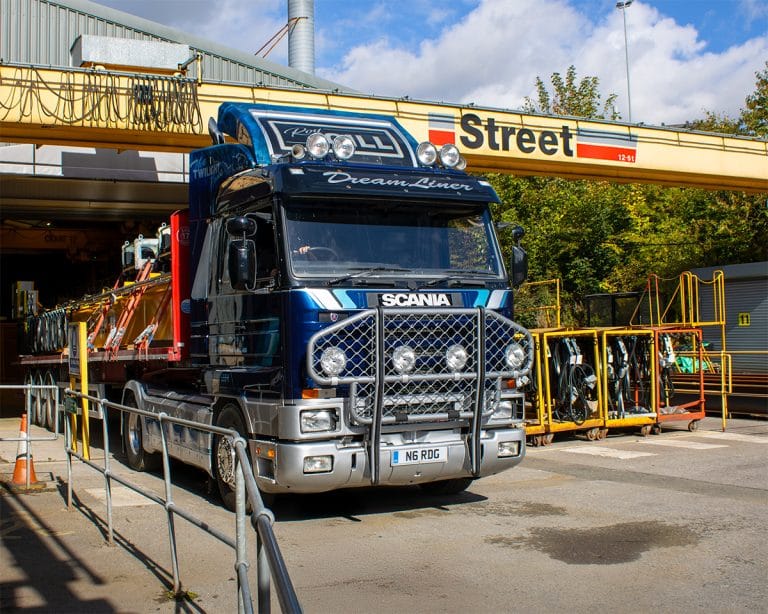
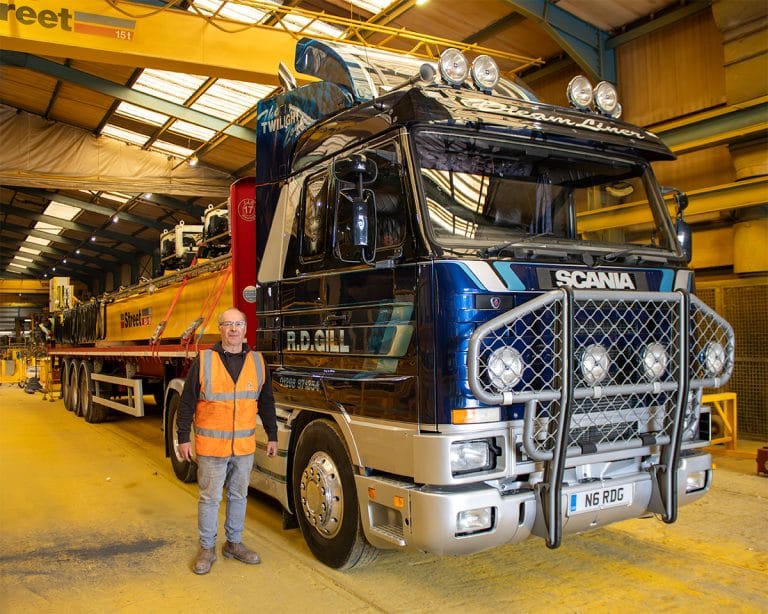
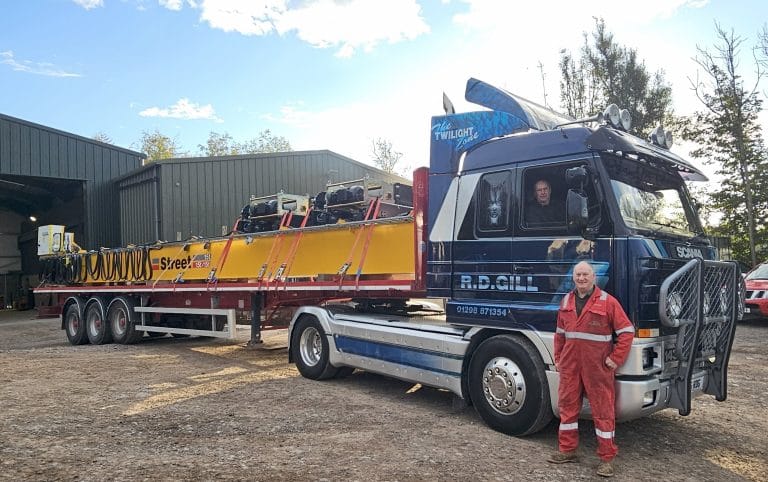
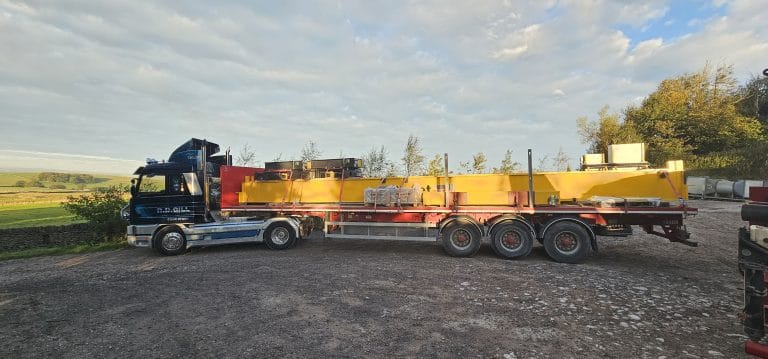
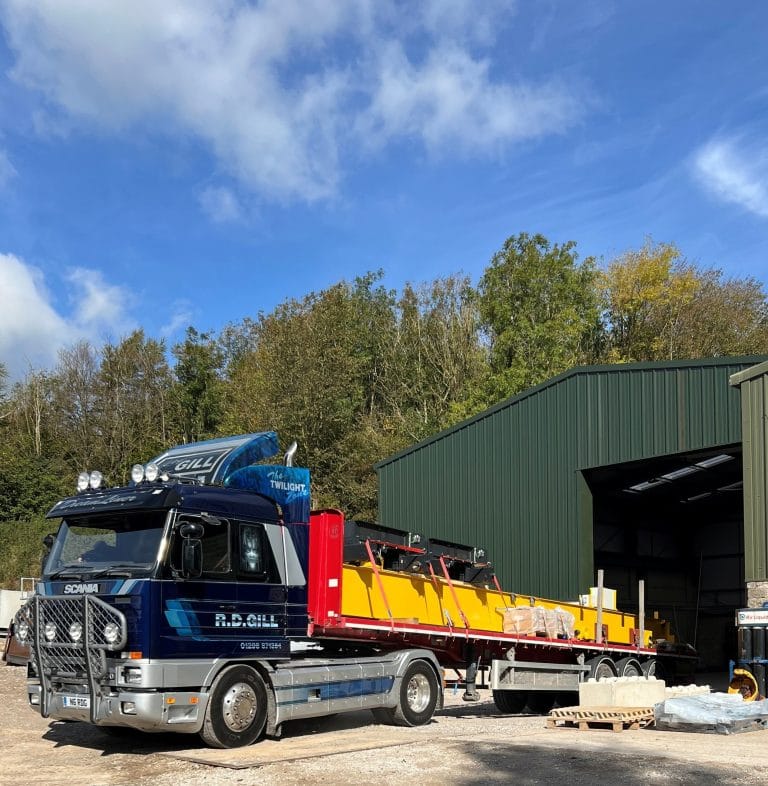
Back in the 1980s and 1990s, Street Crane relied heavily on RD Gill Transport for its haulage needs. One of their drivers, Nick Gregory, has kept the legacy alive by restoring the original truck he used during this time. That very truck sourced from Ireland — lovingly brought back to life — is still going strong today.
And what better way to deliver Andrew’s new crane than with Nick’s beautifully restored wagon? Two pieces of Street history, side by side: a former employee turned successful business owner, and a vintage truck that once carried countless Street Cranes across the country.
Take a look at our delivery photo’s from Street Crane to Andrew’s warehouse — they’re more than just a delivery; they’re a celebration of craftsmanship, loyalty, and the enduring connections that make Street Crane what it is.
How to Choose the Right Electric Hoist for Your Business: A UK Buyer’s Guide
July 29, 2025
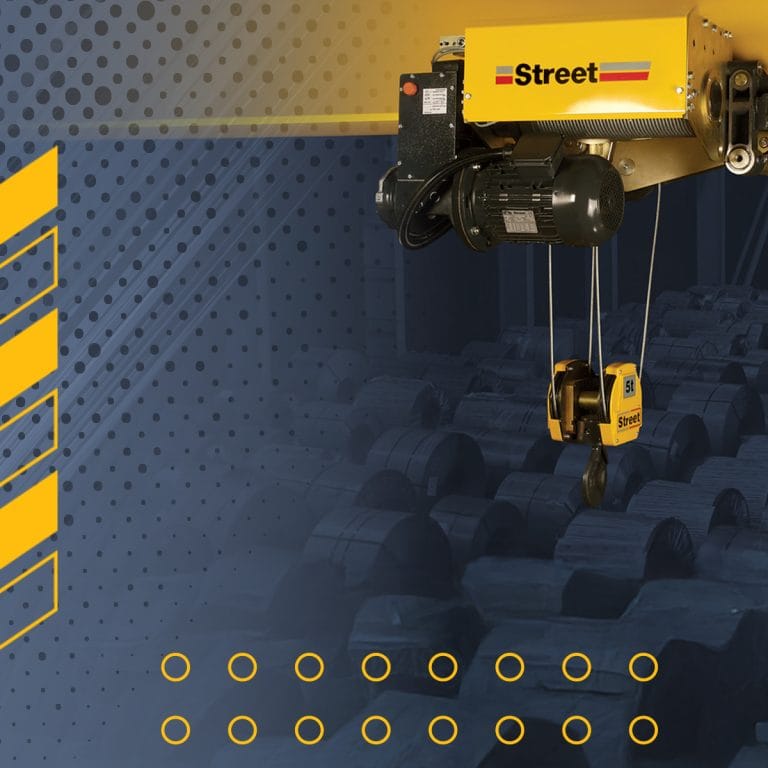
Choosing the right electric hoist for your business is essential for ensuring safe, efficient, and reliable lifting operations. Whether you’re in manufacturing, warehousing, construction, or automotive services, electric hoists offer a powerful solution for handling heavy loads with minimal manual effort. This guide will walk you through the key considerations to help you select the best electric hoist for your specific needs.
What Is an Electric Hoist?
An electric hoist is a motorised lifting device designed to raise, lower, and move heavy loads with precision and ease. Powered by electricity, these hoists are commonly used in industrial and commercial settings where frequent lifting is required. They are available in various configurations, including chain and wire rope models, and can be mounted in different ways depending on your workspace.
Key Factors to Consider When Choosing an Electric Hoist
Load Capacity
Always select a hoist that can safely handle your maximum load weight. Overloading can lead to equipment failure and serious safety risks. Common capacities range from 125kg to 250 tonnes.
Lifting Height
Determine the vertical distance the hoist needs to cover. This ensures the hoist can operate effectively within your workspace.
Duty Cycle
The duty cycle of a hoist is the percentage of time it operates during a full cycle, and it must also account for the weight and frequency of the loads lifted, as heavier or more frequent loads increase wear and reduce safe operating time. Consider how often the hoist will be used. For continuous or high-frequency operations, choose a model with a high duty rating to avoid overheating and premature wear.
Lifting Speed
Faster hoists improve productivity, especially in high-volume environments. However, slower speeds may offer more control for delicate operations.
Power Supply
Most electric hoists run typically on three-phase power and occasionally on single-phase. Ensure compatibility with your site’s electrical infrastructure.
Mounting Options
• Hook-mounted: Easy to install and relocate
• Trolley-mounted: Ideal for horizontal movement along beams
• Fixed-mounted: Best for permanent installations
Control Systems
Choose between pendant controls, wireless remotes, or integrated systems depending on your operational needs and safety requirements.
Safety and Compliance in the UK
Electric hoists must comply with UK regulations, including:
• LOLER (Lifting Operations and Lifting Equipment Regulations)
• PUWER (Provision and Use of Work Equipment Regulations)
• UKCA or CE marking
• The Supply of Machinery (Safety) Regulations 2008
Look for safety features such as:
• Overload protection
• Emergency stop functions
• Limit switches
• Thermal protection
Regular inspections and maintenance are also essential to ensure ongoing compliance and safe operation.
Cost vs. Long-Term Value
While electric hoists may have a higher upfront cost compared to manual alternatives, they offer significant long-term benefits:
• Increased efficiency
• Reduced labour costs
• Enhanced safety
• Lower maintenance with quality models
Consider factors such as warranty, availability of spare parts, and manufacturer support when making your decision.
Industry Applications
Electric hoists are widely used across various sectors:
• Warehousing: For lifting pallets, crates, and equipment
• Manufacturing: For assembly lines and material handling
• Automotive: For engine lifting and component movement
• Construction: For lifting tools and materials on-site
Conclusion: Invest in the Right Electric Hoist
Choosing the right electric hoist is about more than just lifting power—it’s about matching the equipment to your operational needs, ensuring safety, and maximising efficiency. Take the time to assess your requirements, consult with a trusted supplier, and invest in a hoist that will serve your business reliably for years to come.
Looking for expert advice or a tailored quote? Contact Street Crane today to find the perfect solution for your business or to request a brochure for our LX electric chain hoists, ZX electric wire rope hoists or our VX open winch hoists.
How to Select the Right Overhead Crane System for Your Business?
April 8, 3025
How to Select the Right Overhead Crane System for Your Business?
Choosing the right crane system for your business is a critical decision that can significantly impact productivity, safety, and operational efficiency. With various types of cranes available, each designed for specific tasks and environments, making an informed choice requires a clear understanding of your business needs, the types of loads to be handled, and the working conditions. This guide will walk you through the essential factors to consider when selecting the right crane system for your business.
1. Assess Your Business Needs
The first step in selecting the right crane system is to thoroughly assess your business needs. Consider the following aspects:
Load Capacity
Determine the maximum weight of the loads that will be lifted. It’s crucial to choose a crane that can handle the heaviest load in your operations to ensure safety and efficiency.
Lift Height
Identify the required lifting height, which is the distance the load needs to be lifted. This will help determine the type of crane and its specifications.
Span and Reach
Consider the distance the crane needs to cover horizontally. This includes the span (the width the crane must cover) and the reach (the distance from the crane’s base to the load).
Frequency of Use
Evaluate how often the crane will be used. For high-frequency use, a more robust and durable system may be necessary, while a less frequent use might allow for a more cost-effective solution.
2. Understand the Types of Cranes
There are various types of crane systems, each suitable for different applications. Understanding their features and capabilities is essential for making the right choice.
Overhead (Gantry) Cranes
Overhead (gantry) cranes, also known as bridge cranes, are ideal for lifting heavy loads in industrial settings. They consist of parallel runways with a traveling bridge spanning the gap. Overhead cranes are excellent for covering large areas and providing precise load control.
Portal / Goliath
Portal or Goliath cranes are similar to overhead cranes but are supported by legs that move on wheels or along a track. They are versatile and can be used indoors or outdoors, making them suitable for construction sites, shipyards, and warehouses.
Jib Cranes
Jib cranes have a horizontal arm (jib) that supports a hoist, which can move along the arm. They are ideal for lifting tasks in smaller workspaces or for assisting in repetitive lifting operations. Jib cranes can be column-mounted or free-standing or wall travelling.
Light Crane Systems
Light Crane Systems are cost effective and highly durable workstation cranes tailor made for the individual application and ideal when handling requirements are localised. LCS cranes may be suspended from a building structure but in cases where the building structure will not support the additional crane loads monorail and crane systems can be free standing.
3. Evaluate Working Conditions
The environment in which the crane will operate plays a significant role in determining the right system.
Indoor vs. Outdoor
Consider whether the crane will be used indoors or outdoors. Outdoor cranes need to withstand weather conditions and may require additional features like weatherproofing.
Space Constraints
Assess the available space for crane installation and operation. Ensure there is enough room for the crane to move and operate safely without obstructions. You also need to consider how you are going to install your crane.
Environmental Factors
Take into account any environmental factors such as temperature, humidity, and potential exposure to corrosive substances. Choose a crane system that is designed to handle these conditions.
4. Safety and Compliance
Safety is paramount when selecting a crane system. Ensure the crane meets all relevant safety standards and regulations. Consider the following:
Load Testing
Ensure the crane undergoes load testing to verify its capacity and safety features.
Operator Training
Invest in proper training for crane operators to ensure safe and efficient operation.
Maintenance and Inspection
Regular maintenance and inspection are crucial for the safe operation of the crane. Choose a system that offers easy maintenance and has readily available spare parts.
5. Cost Considerations
While cost should not be the sole determining factor, it is essential to consider your budget. Evaluate the total cost of ownership, including:
Initial purchase price
Installation costs
Maintenance and repair expenses
Operating costs
Consider the long-term benefits of investing in a high-quality crane system that offers reliability, efficiency, and safety.
Conclusion
Selecting the right crane system for your business involves a careful assessment of your needs, understanding the different types of cranes, evaluating working conditions, prioritising safety, and considering cost factors. By taking a comprehensive approach, you can choose a crane system that enhances productivity, ensures safety, and delivers long-term value for your business.
Get in Touch
If you would like to speak to us about our products or a bespoke solution for your business, please call +44 1298 812456 or email us at admin@streetcrane.com.
Three Generations of Success: The Street Crane Legacy
March 31, 2025
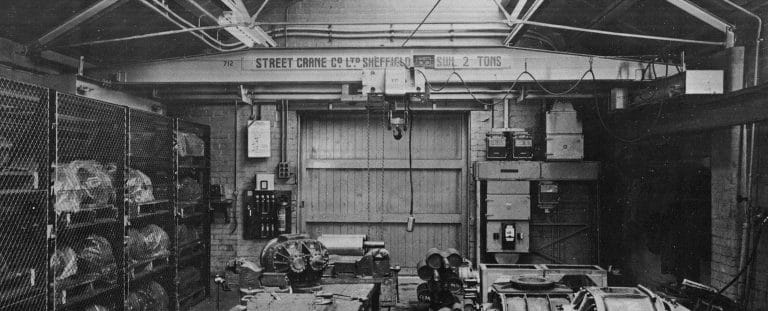
In 2025, Street Crane Company celebrates an incredible milestone: 79 years of family-led innovation and success. What started as a humble crane repair service in Sheffield has grown into a global leader in crane manufacturing, all thanks to the dedication and vision of the Street family.

The journey began in 1946 when Peter Street, a WWII Spitfire pilot, used his demobilisation money—just £88—to establish Street Crane. His expertise and determination laid the foundation for a business that would stand the test of time. From those early days of repairing cranes, Peter’s company steadily grew, gaining a reputation for quality and reliability.
In 1975, Peter’s son, Martin Street, joined the business and this year, Martin marks an incredible 50 years at the company—a testament to his leadership and commitment. Under Martin’s guidance, Street Crane transformed from a respected local service provider into a globally recognised name in crane manufacturing. His vision and dedication have ensured that the company remains at the forefront of the industry, continually innovating and expanding.
Now, the third generation is making its mark. William “Will” Street, Martin’s son, joined the company in 2020, initially as an accountant. Bringing with him five years of experience from top accountancy firm BHP and a strong academic background, Will quickly proved his capabilities. He has since progressed to Financial Director, playing a vital role in the company’s ongoing success.
For Will, being part of the family business is both an honour and a challenge. “It’s special to be part of something my grandfather built from scratch. What my grandfather and father have achieved is incredible, and I’m excited to help take Street Crane to the next level.”
As Street Crane enters its eighth decade, the future looks brighter than ever. With three generations of leadership, a commitment to innovation, and a strong foundation of hard work and efficiency, the company is set to continue its legacy of excellence. From its modest beginnings to its status as a global industry leader, Street Crane remains a shining example of what can be achieved through determination, expertise, and family dedication.