



Metals & Steel Manufacturing Industry Cranes
Keep cranes working. Hardened for heat
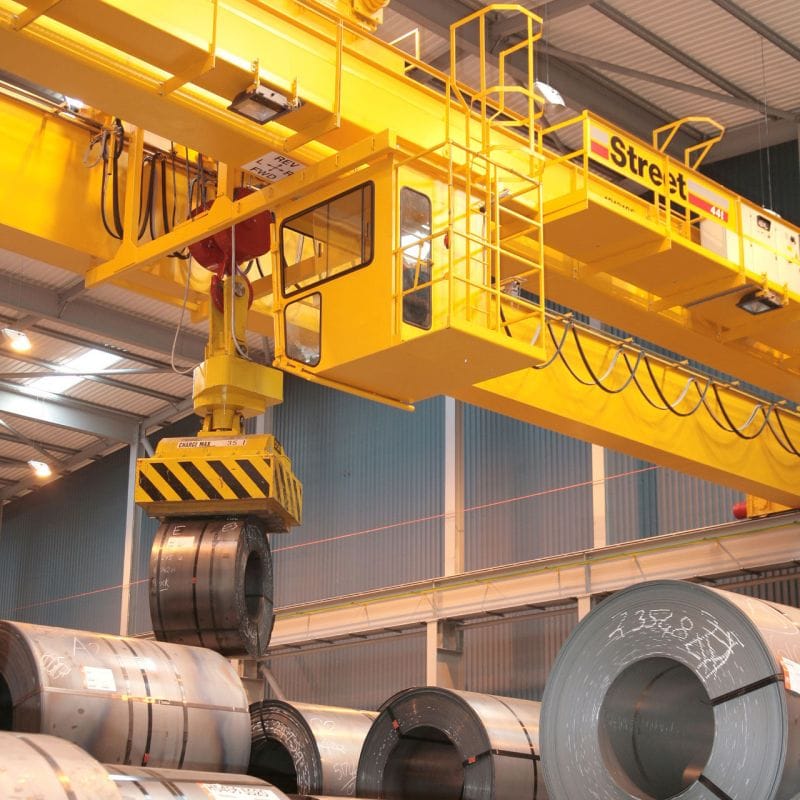
Metal production is unforgiving. Whether you’re charging furnaces, moving hot billets, handling slabs, or placing finished coils, the crane is part of the process, not a supporting tool. That means extreme duty cycles, harsh ambient conditions, and high-consequence lifts that demand predictable control, engineered safety and maintainable design.
As a UK-based steel industry crane supplier, we work with you to specify systems that match your load behaviour, duty classification, working environment and long-term service strategy, so you can protect uptime and manage risk across continuous operations. Our approach is built on 80 years of British engineering heritage and a family-owned commitment to long-term performance.
Speak to our sales team today on +44 (0)1298 812456 or complete the enquiry form to discuss your warehouse lifting requirements.


Crane solutions for metal production
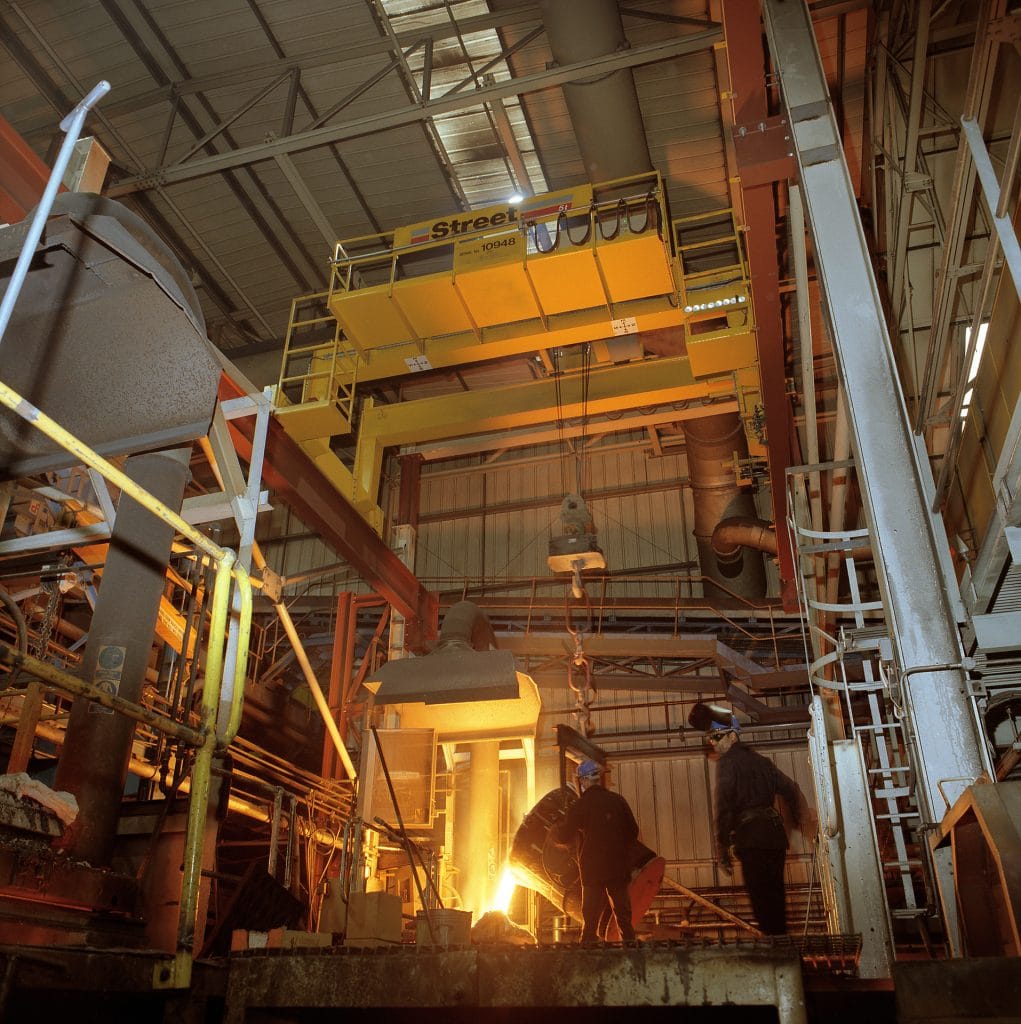
Metal manufacturing often runs 24/7 and rarely gives you an easy lift. The same crane may need to handle bulk material one moment, then place high-value product precisely the next.
In melt shops and casting areas, heat and duty cycle shape every engineering decision. In service centres and finishing bays, protecting coils, plate and machined faces depends on smooth motion and accurate load placement.
We collaborate with your production, maintenance and procurement teams to define the right configuration, including capacity and classification, thermal protection, control method, walkways and access, and the below-the-hook equipment needed for your process.
Cranes
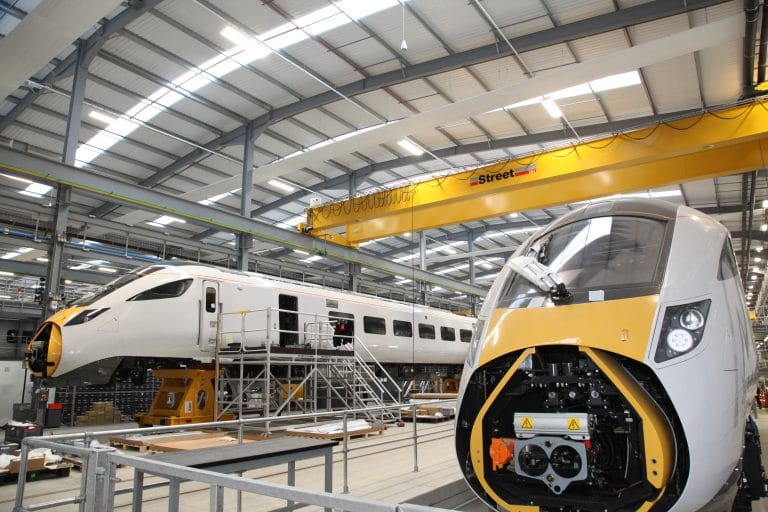
We have a large range of pre-engineered cranes to meet the needs of almost all industrial applications up to 250 tonnes capacity.
Components & Hoists
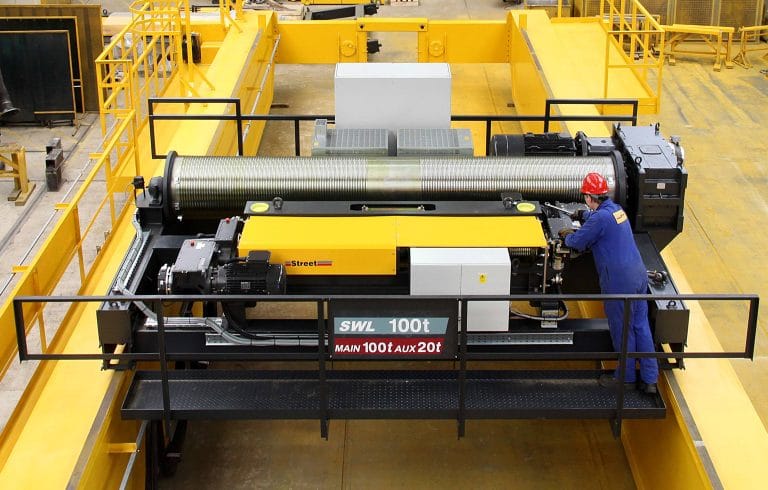
Designed for ease of crane assembly anywhere in the world, Street Crane kits include everything needed to build a complete overhead crane except the steelwork for the main bridge girder.
Spares & Servicing
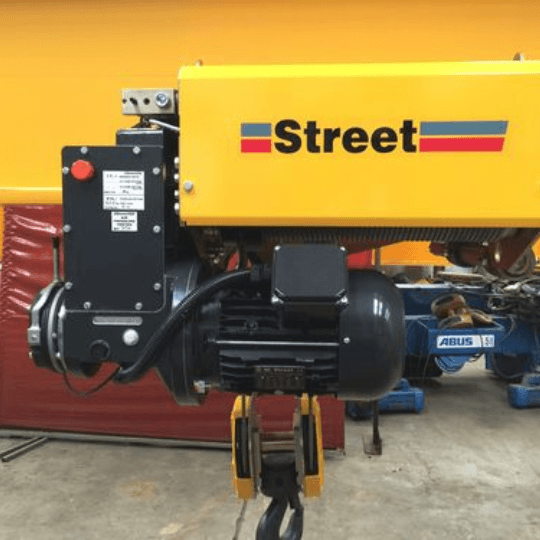
Only genuine Street parts will ensure the lifelong productivity and reliability of your lifting equipment. Street parts are available from our warehouses in the UK and the USA. We also supply through our network of official distributors around the globe.
Overhead cranes engineered for demanding metal environments
Street Crane overhead systems are designed and built in the UK, combining robust mechanical engineering with smooth, reliable motion control.
For metals applications, the design brief typically centres on continuous utilisation, component protection in challenging ambient conditions, and engineered resilience that supports inspection and maintenance without unnecessary downtime.
Our hoist designs focus on accessible braking and gearing, predictable load holding, and lower lifetime ownership costs through maintainable layouts.
Key design considerations
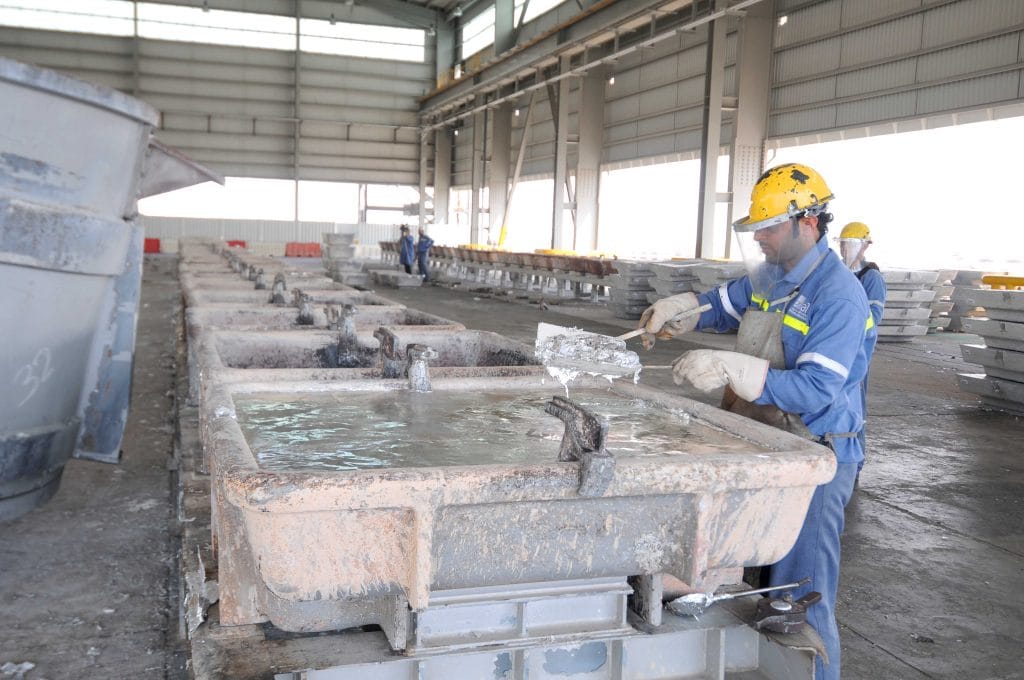
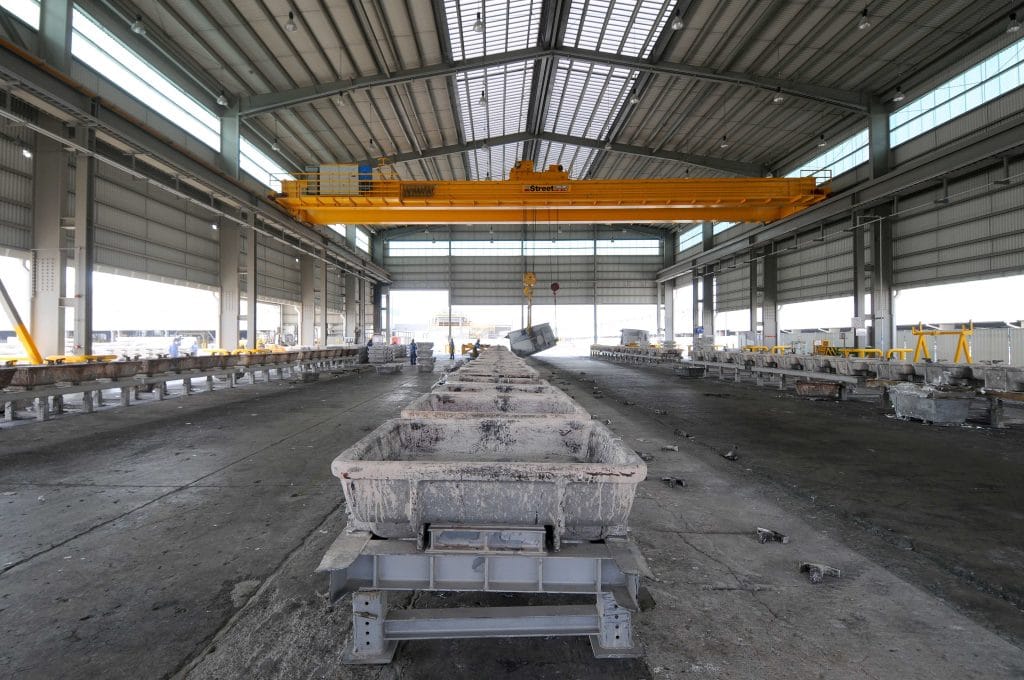
In metal production, duty cycle and consequence drive the specification. High temperatures influence enclosure choice, wiring protection and thermal shielding requirements, while continuous operation demands a hoist and structure designed for severe service classifications. Safety engineering is application-led, particularly where molten metal is involved, where secondary braking and load security become central to risk control.
Control performance matters just as much as structure. Advanced control using Variable Frequency Drives (VFDs) supports smooth acceleration, controlled deceleration and micro-speed positioning for tasks such as ladle alignment, controlled placement of hot product, and accurate coil handling. When multiple cranes share long runways, defined operating zones and anti-collision options can be integrated where required to support safe, consistent production flow.
Warehouse Overhead Crane Solutions
VX heavy-duty cranes
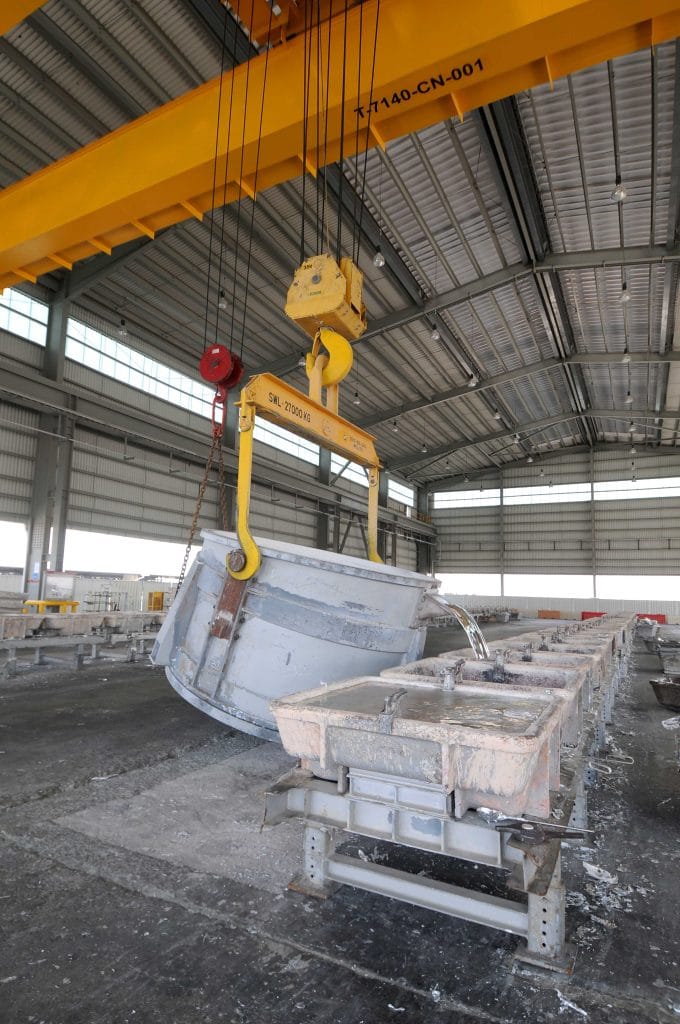
Where your application demands severe-duty performance, VX double girder cranes are engineered for high loads and intensive utilisation, with duty classifications up to M8 (CMAA Class F) and capacities up to 200 tonnes. For metal process cranes, VX hoists are particularly well suited because true vertical lift and zero hook drift support controlled positioning, while the open-plan hoist design improves access to key components for inspection and maintenance in high-uptime areas. The external hoist brake, motor and gearbox are designed for accessibility, helping reduce service time and lifetime ownership cost in continuous operations.
ZX double girder cranes
For heavy product handling where you need strong lifting capability with precise control, ZX double girder cranes provide capacities up to 80 tonnes and can offer higher top-hook positions to suit challenging headroom conditions. ZX hoist cranes are selected in metals environments where maintainability and predictable performance are essential. The enclosed braked gearbox and oil-immersed helical gearing reduce wear and remove reliance on exposed gearing, supporting quieter operation and lower routine maintenance demands in busy production bays. VFD-based control can be specified to deliver smooth, accurate travel and hoist motion for repeatable handling.
ZX single girder cranes
For lighter to mid-range loads around fabrication, machining support, tooling changes and general lifting, ZX single girder overhead cranes offer capacity up to 25 tonnes with a hoist design focused on reliability and reduced maintenance. In metalworking environments where cranes may be used frequently but not at extreme duty, ZX provides a strong balance of performance and lifetime cost control, with braked gearbox load holding and gearing protected within an oil-immersed gearbox.
Portal and semi-portal cranes
Where roof structures cannot support overhead equipment, or where handling takes place outdoors in yards and stock areas, portal and semi-portal cranes provide high-capacity coverage without relying on the building. They are available from 1 to 200 tonnes, with spans that can exceed 40 metres, making them suitable for stockyards and transfer areas handling long product and bulk material.
Rail-less semi-portal options can reduce civil works and remove trip hazards in specific applications, while cantilever beam configurations can be engineered where you need to transfer loads beyond the crane legs for improved yard workflow.
Special cranes for harsh environments
Some metals applications demand more than a standard configuration, for example extreme temperatures, complex duty profiles, multi-span arrangements, or enhanced safety systems for process-critical lifting. Our special cranes are engineered to specification, with severe-duty options up to M8 (Class F) and suitability for demanding temperatures and safety conditions.
This is where we engineer the complete system around your process, including duty classification, access strategy, protection measures, and integration of the right control and safety functions for the task.
LX, LCS and jib systems
Metal sites often benefit from smaller, local lifting systems that keep main cranes focused on process moves. LX chain hoists, LCS workstation systems and jib cranes provide agile support for maintenance bays, tooling, fixtures, inspection areas and sub-assembly tasks. LX single girder cranes handle up to 5 tonnes, while light crane systems support frequent light lifting up to 2 tonnes, helping reduce manual handling and improve workstation flow.
Making advanced lifting practical for metal manufacturing
In metals operations, advanced control must deliver real-world benefits: safer handling, consistent cycle times and reduced wear across high-duty use.
Our systems use Variable Frequency Drives (VFDs) to provide smooth acceleration and controlled stopping, with programmable speeds that support micro-speed positioning when placing hot product, aligning ladles or positioning coils accurately.
Diagnostics and monitoring options help maintenance teams plan intervention based on usage and condition, reducing the risk of unplanned stoppages in continuous operations.
Working as part of your metal process
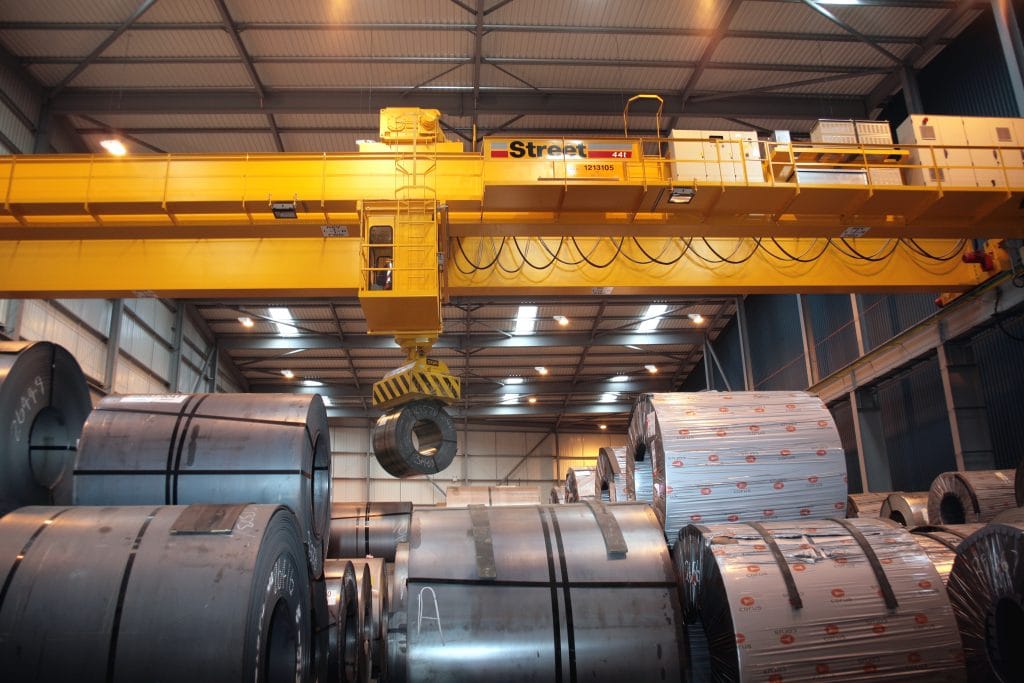
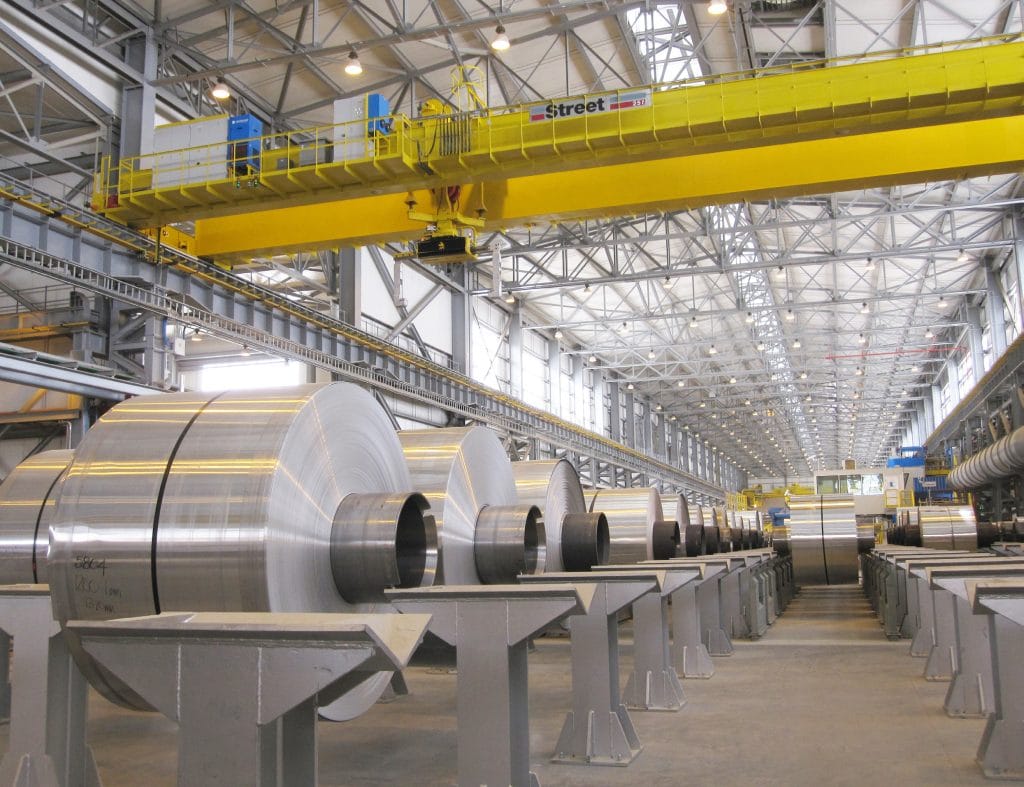
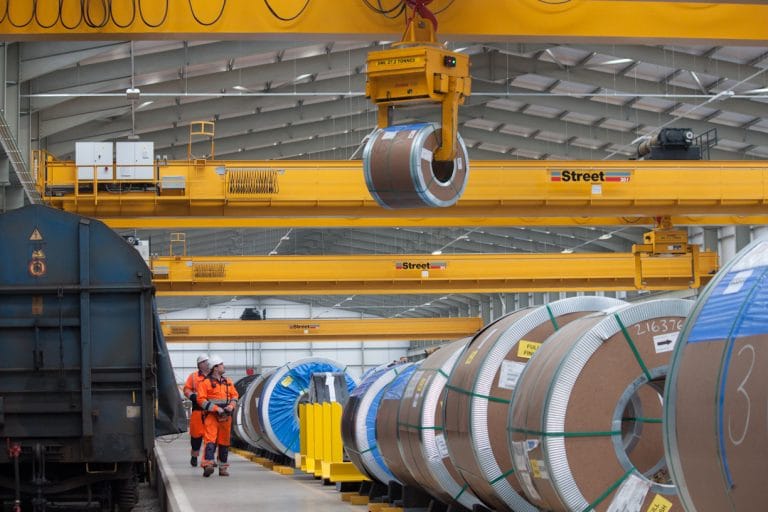
In metal manufacturing, the crane is part of the process line. We work closely with your production and maintenance teams, plus any principal contractor, consultant or plant engineering partner, to ensure the crane system supports how material really moves, from scrap handling and charging through casting, billet transfer and coil dispatch. Getting the duty classification, protection measures and maintenance access right early simplifies installation and commissioning, and it helps you avoid costly redesign once the bay is live.
Where precision and control are critical, we specify advanced control using Variable Frequency Drives (VFDs) to deliver smooth motion, micro-speeds and repeatable positioning for high-consequence lifts and damage-sensitive product.
Options such as diagnostics and condition monitoring can support planned intervention and reduce unplanned downtime in continuous operations. For high-frequency local tasks, LCS workstations, jib cranes or dedicated maintenance hoists can take the strain off main bridge cranes, keeping process cranes available for production-critical moves and improving overall equipment.
A partner for long-term performance
As a family-run engineering company, we focus on lifting solutions that perform reliably year after year, backed by practical technical guidance and a straightforward approach to serviceability and lifecycle cost.
If you are upgrading an existing bay, increasing capacity, or specifying cranes for a new metal facility, our engineers are ready to help.
Call +44 (0)1298 812456 or email website@streetcrane.com.
Case Studies
Get Started Today
Have any questions or want a quote please contact us